






What's Happening?
Fast-fashion giant Shein has officially acquired Everlane, a brand known for its commitment to sustainability and ethical practices. Everlane's CEO confirmed the acquisition, stating that the brand will remain independent and continue to uphold its values.
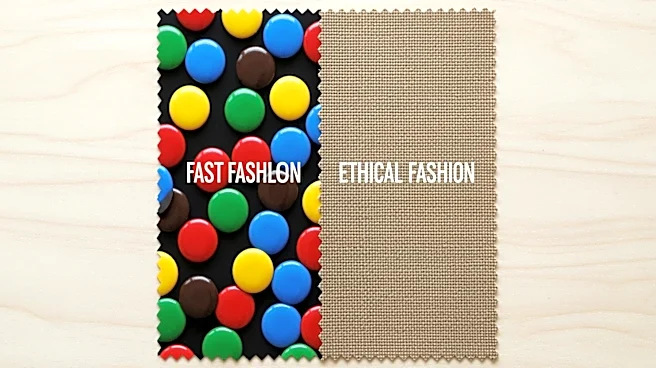
The acquisition has sparked concern among Everlane's customer base, who value the brand's ethical stance and direct-to-consumer model. The news was initially met with skepticism, as Shein has faced criticism for its working conditions and environmental impact. The acquisition is seen as a strategic move by Shein to expand its market reach and possibly improve its brand image. Everlane employees reportedly learned about the acquisition through social media, highlighting a lack of internal communication.
Why It's Important?
The acquisition of Everlane by Shein marks a significant moment in the fashion industry, particularly for brands that prioritize sustainability. Everlane has been a leader in promoting ethical consumption, appealing to consumers who are conscious of environmental and social impacts. This acquisition raises questions about the future of sustainable fashion, as it suggests that even brands with strong ethical commitments may struggle to maintain independence in a competitive market. The move could also indicate a shift in Shein's strategy, potentially aiming to 'greenwash' its image by associating with a brand known for sustainability. This development may influence consumer trust and purchasing decisions, as well as impact the broader conversation around sustainable business practices.
What's Next?
Following the acquisition, Everlane's leadership team will remain in place, and the brand will continue to operate independently. However, consumers and industry observers will be closely watching for any changes in Everlane's product quality and pricing. There is also speculation about how Shein will integrate Everlane's sustainability practices into its operations, if at all. The acquisition may prompt other sustainable brands to reassess their strategies and consider partnerships or sales to larger companies. Additionally, consumer reactions and potential backlash could influence Shein's future business decisions and its approach to sustainability.
Beyond the Headlines
The acquisition highlights the challenges faced by sustainable brands in maintaining their values while achieving financial stability. It underscores the tension between ethical business practices and the pressures of market competition. This development may lead to increased scrutiny of Shein's business practices and its impact on the environment. It also raises ethical questions about the role of consumer responsibility in supporting sustainable brands and the potential for larger companies to dilute these values. The fashion industry may see a shift in how sustainability is marketed and perceived, with implications for brand loyalty and consumer behavior.