



What's Happening?
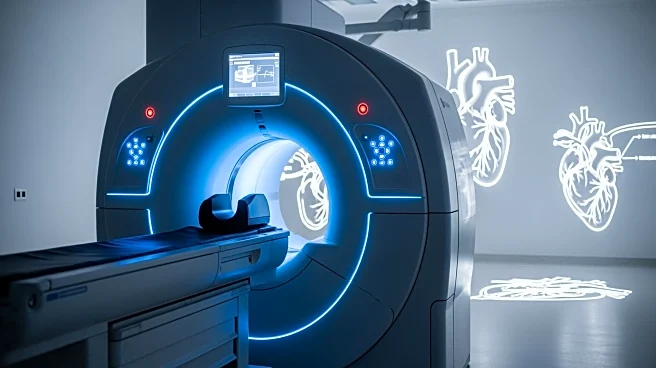
Insightec, a global healthcare company, has received a Medical Device License from Health Canada for its Exablate Prime system, which offers incisionless, MR-guided focused ultrasound treatments. This system, previously approved by the U.S. FDA, is designed to treat patients with essential tremor and Parkinson's disease. The Exablate Prime system features improved procedure times, intuitive user interfaces, and enhanced cybersecurity measures. It is compatible with MR systems from Philips, GE, and Siemens, expanding its availability across Canadian treatment centers. The system aims to provide immediate relief with minimal complications, enhancing patient care for those with movement disorders.
Why It's Important?
The approval of the Exablate Prime system in Canada
represents a significant advancement in non-invasive treatment options for movement disorders. This technology offers a safer alternative to traditional surgical methods, potentially reducing recovery times and healthcare costs. The system's approval could lead to broader adoption of focused ultrasound treatments, influencing healthcare practices and patient outcomes. By expanding access to this technology, Insightec is positioned to play a pivotal role in transforming patient care and setting new standards in the treatment of neurological conditions.
What's Next?
With the Health Canada approval, Insightec plans to expand the availability of the Exablate Prime system to more treatment centers across Canada. This expansion will likely involve collaborations with healthcare providers to integrate the system into existing treatment protocols. As the company continues to innovate, further research and development may lead to new applications of focused ultrasound technology in other medical fields. The success of this system in Canada could also influence regulatory approvals in other countries, potentially opening new markets for Insightec.
Beyond the Headlines
The introduction of the Exablate Prime system highlights the growing trend towards non-invasive medical technologies that prioritize patient safety and comfort. This shift reflects broader changes in healthcare, where technological advancements are increasingly used to improve treatment efficacy and patient experience. The system's focus on cybersecurity and remote planning also underscores the importance of integrating digital solutions in modern healthcare practices, ensuring that patient data remains secure while enhancing clinical workflows.