






What's Happening?
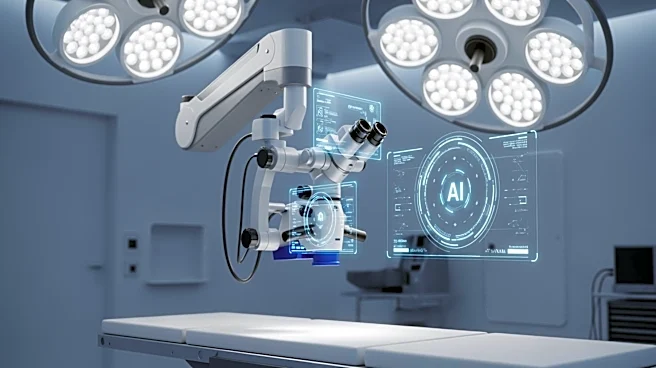
NeuFluent, a neuroscience innovation venture studio, has announced the launch of its new 'intelligent implants and robotics initiative'. This initiative aims to expand NeuFluent's work in next-generation surgical innovations, enhancing its technology
portfolio that includes brain-computer interfaces and pharmaceutical technology. Dr. Kevin Foley, a renowned neurosurgeon and pioneer in minimally invasive spinal surgery, is leading this initiative. Dr. Foley's contributions to the field have been recognized with prestigious awards, and he is known for advancing image-guided techniques and robotics in neurosurgery. NeuFluent's approach combines clinical insight, artificial intelligence, and engineering to develop scalable systems that could significantly impact patient outcomes and the future of neurotechnology.
Why It's Important?
The launch of NeuFluent's initiative is significant as it represents a shift towards integrating intelligent implants and robotics in neurosurgical care. This development could lead to more precise and responsive surgical procedures, potentially improving patient outcomes and reducing recovery times. The initiative also highlights the growing role of AI in healthcare, particularly in developing technologies that can learn and adapt in real-time. By advancing these technologies, NeuFluent is positioning itself at the forefront of the new neural economy, where data-driven development is expected to replace traditional hardware-first models. This could accelerate the pace at which new medical technologies are brought to market, benefiting both patients and healthcare providers.
What's Next?
As NeuFluent continues to develop its intelligent implants and robotics initiative, the focus will likely be on further integrating AI with neurotechnology systems. This could involve collaborations with other experts in neuroscience, engineering, and regulatory strategy to ensure the successful commercialization of these innovations. The initiative may also lead to new partnerships with healthcare institutions and technology companies to expand the reach and application of these advanced systems. Stakeholders in the medical field will be closely watching the progress of this initiative, as it could set new standards for neurosurgical care and influence future developments in medical technology.
Beyond the Headlines
The ethical and regulatory implications of integrating AI and robotics in neurosurgery are significant. As these technologies become more prevalent, there will be a need for clear guidelines to ensure patient safety and data privacy. Additionally, the shift towards AI-driven medical solutions raises questions about the future role of human surgeons and the potential for job displacement. However, it also presents opportunities for enhancing surgical precision and reducing human error. The long-term impact of these technologies could lead to a transformation in how neurological conditions are treated, with more personalized and effective care options becoming available.