






What's Happening?
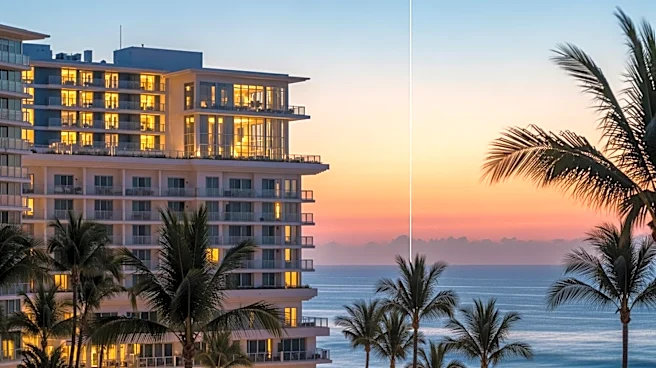
Myrtle Beach's hotel industry is experiencing significant changes as it adapts to a post-pandemic landscape. The market is undergoing a 'K-shaped recovery,' where upper-market branded properties are thriving, surpassing their 2019 performance, while the broader
market, including older independent properties, lags behind. This recovery pattern is influencing booking decisions, with travelers choosing between polished, brand-managed hotels and more budget-friendly options. The pandemic initially boosted Myrtle Beach's hotel industry, with a surge in drive-in leisure demand, but recent years have seen a decline in occupied room nights and total revenue. The market is still healthy compared to pre-pandemic levels, but it no longer matches the 2021 boom. Several hotels have undergone rebranding and renovations, such as the Dayton House Resort joining Best Western's Signature Collection and the DoubleTree Resort at Springmaid Beach reopening as a dual-flag property. New developments, like the planned Drury Plaza Hotel and Hilton Grand Vacations' Ocean 23, are also underway.
Why It's Important?
The transformation of Myrtle Beach's hotel industry reflects broader economic trends and consumer preferences. The K-shaped recovery highlights a growing divide between high-end and budget accommodations, with implications for travelers and the local economy. Upper-market hotels benefit from brand loyalty and consistent quality, attracting travelers willing to pay a premium. Meanwhile, budget-conscious travelers can find deals in the mid-tier market, which is competing on price. This dynamic affects the overall tourism industry in Myrtle Beach, influencing visitor spending and economic impact. The shift towards brand-managed inventory and renovations indicates a focus on quality and consistency, which could attract more visitors and boost the local economy. However, the lag in the broader market suggests challenges for independent operators and older properties, which may struggle to compete without significant investment.
What's Next?
The future of Myrtle Beach's hotel industry will depend on how the K-shaped recovery evolves. Continued investment in upper-market properties, such as the Drury Plaza Hotel and Ocean 23, suggests a focus on attracting high-end travelers. However, the broader market's ability to catch up will depend on economic conditions and consumer preferences. As international and long-haul travel rebounds, Myrtle Beach may face increased competition from other destinations. The success of mid-tier and budget hotels will hinge on their ability to offer competitive rates and maintain quality. The ongoing renovation cycle will play a crucial role in determining the market's trajectory, as properties weigh the costs of upgrades against potential revenue gains. For travelers, understanding the market dynamics will be key to making informed booking decisions.