

What's Happening?
The Spanish Association of Footwear Components (AEC) and international consultancy Trendstop have presented the key trends set to define the footwear industry for the autumn/winter 2027/2028 season. This presentation, following the successful Futurmoda
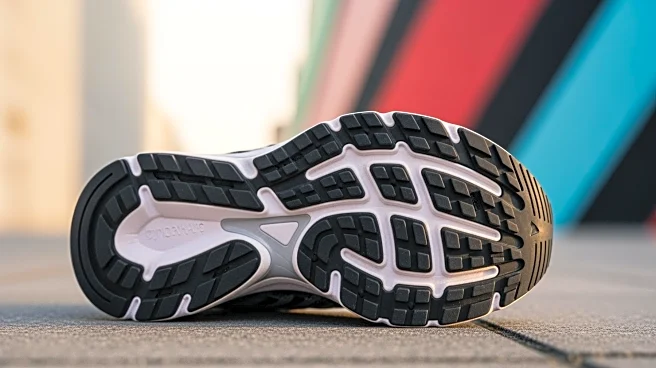
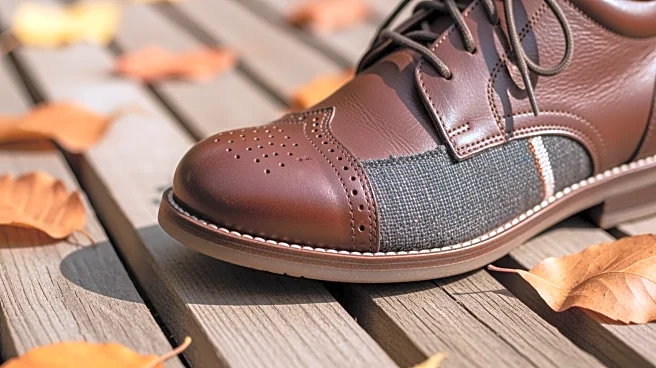
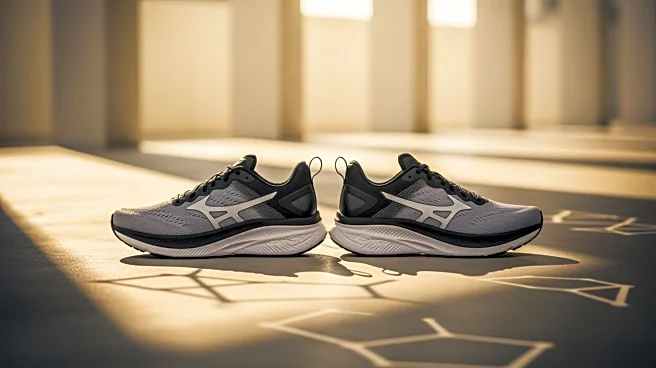
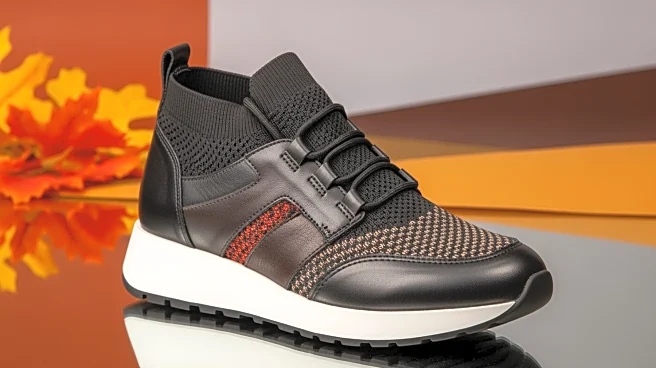
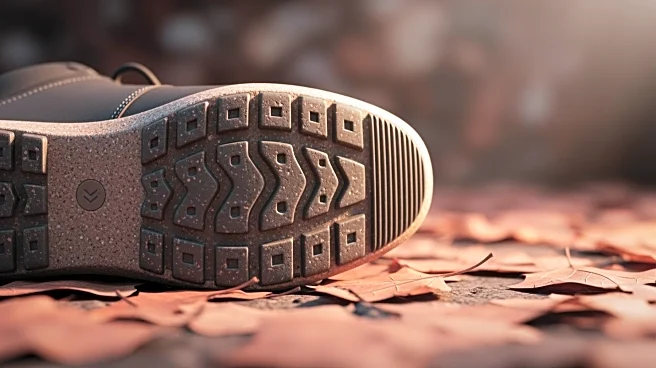
fair in Elche, Spain, aims to provide component companies with strategic insights into upcoming product lines. The trends emphasize a blend of nostalgia and innovation, focusing on comfort, sustainability, and sensory design. Key elements include the integration of vintage styles with modern techniques, the use of sustainable materials, and the incorporation of advanced technologies like 3D printing. The trends also highlight the importance of durability and repairability, with designs featuring interchangeable and repairable components to promote longevity and environmental responsibility.
Why It's Important?
These trends reflect a significant shift in consumer preferences towards sustainability and functionality in fashion. By focusing on repairable and durable designs, the footwear industry is responding to increasing consumer demand for environmentally responsible products. This shift could lead to broader changes in manufacturing practices, encouraging more brands to adopt sustainable materials and production methods. The emphasis on sensory design and comfort also indicates a growing market for products that offer both aesthetic appeal and practical benefits. This trend could influence other sectors of the fashion industry, promoting a more holistic approach to design that values both style and sustainability.
What's Next?
As these trends gain traction, footwear companies may need to adapt their production processes to incorporate more sustainable and innovative materials. Brands that successfully integrate these elements into their designs could gain a competitive edge in the market. Additionally, the focus on repairability and modular design may lead to new business models centered around product longevity and customer engagement. Companies might also explore partnerships with technology firms to enhance their product offerings with advanced features like 3D printing. The industry could see increased collaboration between designers and sustainability experts to further develop eco-friendly solutions.
Beyond the Headlines
The move towards sustainable and repairable footwear could have broader implications for the fashion industry, potentially setting new standards for environmental responsibility. This trend may encourage consumers to prioritize quality and longevity over fast fashion, leading to a cultural shift in purchasing habits. The emphasis on sensory design also highlights the growing importance of consumer experience in product development. As brands focus on creating tactile and visually appealing products, they may explore new ways to engage with customers through interactive and immersive experiences. This could lead to innovative marketing strategies that emphasize the emotional and sensory aspects of fashion.