





What's Happening?
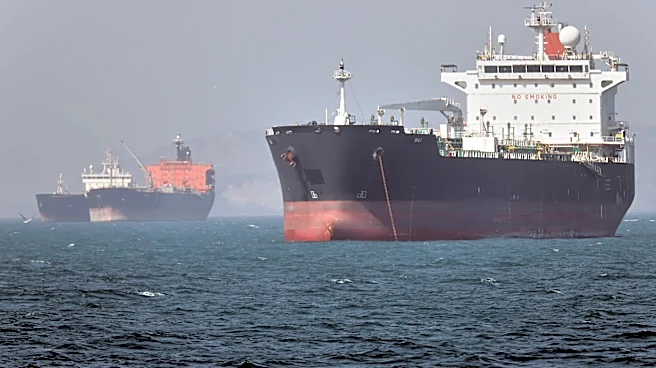
Saudi Aramco CEO Amin Nasser has issued a warning that the ongoing disruption in the Strait of Hormuz could delay the recovery of global oil markets until 2027. The disruption, caused by Iranian authorities blocking the waterway in response to U.S. and
Israeli attacks, has led to a significant loss of oil supply, with the market losing approximately 100 million barrels each week. This has resulted in soaring energy prices and heightened fears of inflation and economic downturns. Aramco has increased the capacity of its East-West Pipeline to divert oil to the Red Sea Port of Yanbu, which Nasser described as a 'critical lifeline.' Despite these efforts, the market remains strained, with only a fraction of the usual number of vessels crossing the strait daily.
Why It's Important?
The disruption in the Strait of Hormuz, a critical chokepoint for global oil supply, has significant implications for the global economy. The loss of oil supply is contributing to rising energy prices, which can lead to increased costs for consumers and businesses, potentially triggering inflation. The situation also poses a risk of economic downturns, particularly in regions heavily reliant on oil imports. The prolonged recovery timeline could impact global economic stability and energy security, affecting industries and consumers worldwide. The situation underscores the vulnerability of global energy markets to geopolitical tensions and the importance of diversifying energy sources and supply routes.
What's Next?
If the disruption continues, the oil market's recovery could be further delayed, exacerbating economic challenges. Aramco is working to maximize its export capacity through alternative routes, but the market may remain unstable until normal shipping and trade resume. The situation may prompt governments and businesses to seek alternative energy sources and invest in energy infrastructure to mitigate future risks. Additionally, geopolitical tensions in the region could influence international relations and trade policies, potentially leading to further economic and political ramifications.