




What's Happening?
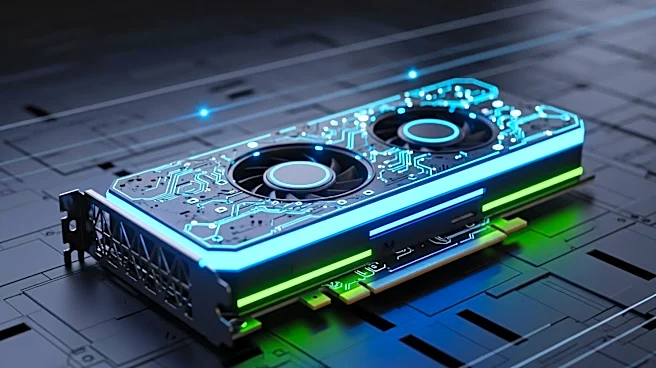
GIGABYTE has announced the expansion of its AORUS INFINITY lineup with the introduction of new GeForce RTX 50 series graphics cards. The new models include the GeForce RTX 5080, RTX 5070 Ti, and RTX 5070. The RTX 5080 is available in two versions: a standard
model with a black and silver design and a WOOD variant featuring wood-style accents. The RTX 5070 Ti and RTX 5070 are only available in the standard black and silver design. These new cards are positioned below the flagship RTX 5090 INFINITY model, which was previously released as part of GIGABYTE's 40th anniversary celebration. Unlike the RTX 5090, which uses NVIDIA's Founders Edition PCB, the new models feature a regular rectangular PCB design with a hidden power connector to maintain a clean installation appearance.
Why It's Important?
The expansion of the AORUS INFINITY lineup signifies GIGABYTE's commitment to offering a diverse range of high-performance graphics cards to meet varying consumer needs. By introducing mid-range options like the RTX 5080, RTX 5070 Ti, and RTX 5070, GIGABYTE is catering to gamers and professionals who require powerful graphics capabilities without opting for the top-tier RTX 5090. This move could enhance GIGABYTE's competitive position in the graphics card market, particularly as demand for advanced gaming and professional graphics solutions continues to grow. The introduction of a WOOD variant also highlights a trend towards aesthetic customization in tech products, appealing to consumers interested in personalized hardware designs.
What's Next?
As GIGABYTE rolls out these new graphics cards, the market will likely see increased competition among manufacturers to offer unique features and designs. Consumers can expect further announcements regarding detailed specifications, pricing, and availability. The hidden power connector design may set a new standard for future graphics card releases, emphasizing both performance and aesthetic appeal. Additionally, the success of the WOOD variant could lead to more diverse design options in future product lines, potentially influencing industry trends towards customizable and visually distinctive hardware.