

What's Happening?
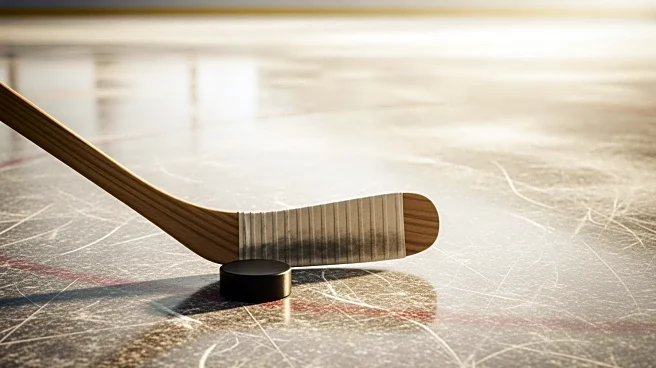
Guyle Fielder, a legendary figure in Seattle's hockey history, has passed away. Known for his exceptional skills on the ice, Fielder was often compared to NHL greats, including Wayne Gretzky. Despite his fear of flying, which limited his travel, Fielder maintained close ties with his former teammates and friends. His career and contributions to hockey were celebrated in Seattle, where he was honored with a replica of his locker at the NHL Seattle team's season ticket preview center. Fielder's legacy was further recognized when he received the Royal Brougham Sports Legend Award from the Seattle Sports Commission in 2024. His influence on the sport and the community was profound, as he was a key figure in rekindling interest in professional hockey in Seattle.
Why It's Important?
Fielder's passing marks the end of an era for Seattle hockey, highlighting the historical significance of his contributions to the sport. His recognition and the revival of interest in hockey in Seattle underscore the city's rich sports heritage. The establishment of the NHL's 32nd franchise in Seattle and the renovation of the Climate Pledge Arena are testaments to the lasting impact of Fielder's legacy. His story serves as an inspiration for future generations of hockey players and fans, emphasizing the importance of preserving and celebrating sports history.
What's Next?
The Seattle hockey community is likely to continue honoring Fielder's legacy through various tributes and events. The NHL Seattle team may incorporate his story into their ongoing efforts to engage with fans and promote the sport. As the city embraces its hockey heritage, there may be further initiatives to celebrate past legends and inspire new talent. The impact of Fielder's contributions will likely be felt in the continued growth and popularity of hockey in the region.
Beyond the Headlines
Fielder's life and career offer insights into the cultural and social aspects of sports history. His fear of flying and preference for a 'tight, compact life' reflect personal choices that shaped his journey. The recognition he received later in life highlights the evolving nature of sports legacy and the importance of acknowledging contributions that may have been overlooked. Fielder's story also raises questions about how sports figures are remembered and celebrated, and the role of community and personal relationships in shaping a legacy.