

What's Happening?
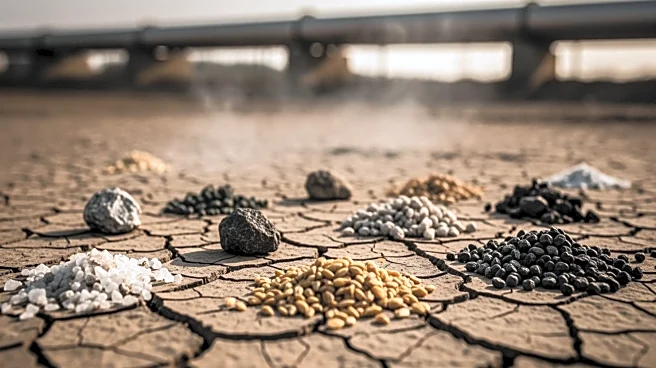
Koch Industries is leveraging its oil and gas operations to dominate the fertilizer market, significantly impacting food costs. The company owns several refineries and uses natural gas as a raw material to produce nitrogen fertilizers like ammonia and urea.
As natural gas prices fluctuate, Koch's fertilizer division passes these costs onto farmers, affecting food prices. The company's vertical integration strategy allows it to control both the supply of raw materials and the finished products, maximizing profits. Additionally, Koch's past dealings with Iran through foreign subsidiaries have raised questions about compliance with U.S. trade restrictions.
Why It's Important?
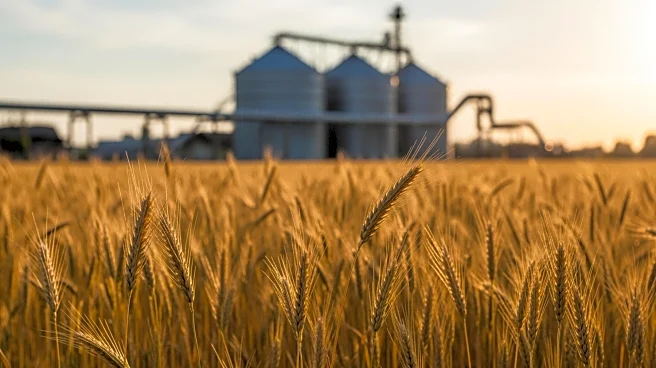
Koch Industries' control over the fertilizer supply chain has significant implications for the agricultural sector and food prices. As one of the few major players in the fertilizer market, Koch's pricing strategies directly affect farmers' production costs and, consequently, consumer food prices. The company's ability to maintain high prices despite fluctuations in natural gas costs highlights the challenges of market concentration and the potential need for regulatory oversight. Furthermore, Koch's international dealings underscore the complexities of global trade and the potential for companies to exploit legal loopholes.
What's Next?
The ongoing rise in fertilizer prices is expected to continue impacting food costs, with potential repercussions for consumer spending and inflation. Policymakers may face pressure to address market concentration in the fertilizer industry and explore regulatory measures to ensure fair pricing practices. Additionally, there may be increased scrutiny of Koch Industries' international operations and compliance with trade regulations. The agricultural sector will need to adapt to these challenges, potentially seeking alternative suppliers or advocating for policy changes to mitigate the impact of rising input costs.