





What's Happening?
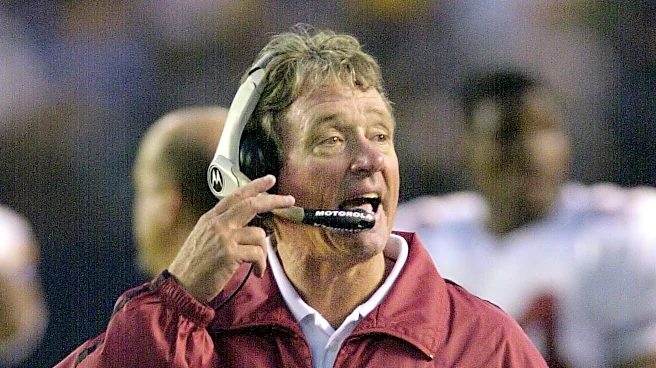
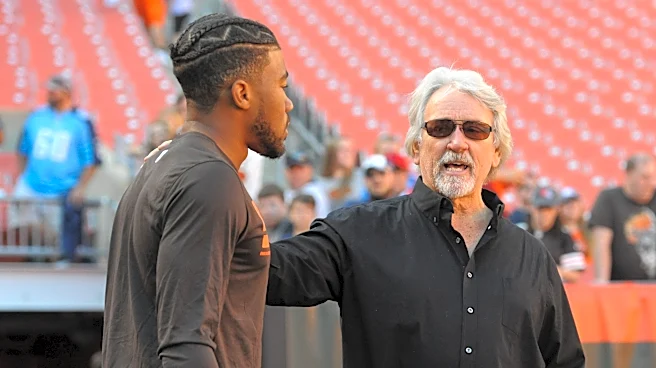
Dave McGinnis, a former assistant coach for the Chicago Bears, has died at the age of 74. McGinnis was known for his tenure as the Bears' linebackers coach from 1986 to 1995, where he mentored notable players such as Mike Singletary and Otis Wilson. His
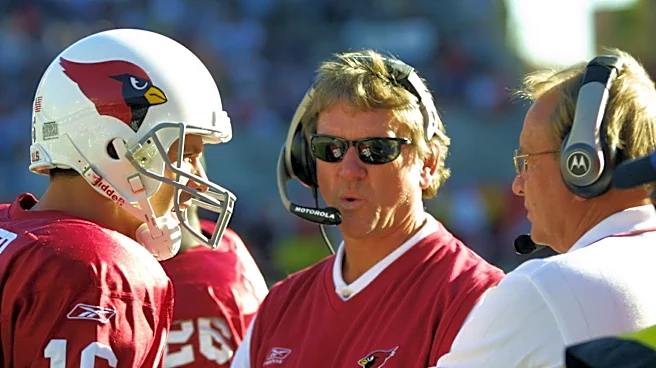
career took a controversial turn in 1999 when he was nearly appointed as the Bears' head coach. The team announced his hiring before he had agreed to a contract, leading to a canceled press conference and McGinnis ultimately declining the position. This incident prompted Virginia McCaskey, the Bears' matriarch, to replace her son Michael McCaskey as team president with Ted Phillips, marking a significant shift in the team's leadership. McGinnis later served as the head coach for the Arizona Cardinals and held various coaching roles with the Tennessee Titans.
Why It's Important?
The passing of Dave McGinnis marks the end of an era for the Chicago Bears and the NFL. His near-hiring as head coach in 1999 led to significant changes within the Bears' organization, including the appointment of Ted Phillips as president, breaking the tradition of family leadership. This shift highlighted the importance of professional management in sports teams and set a precedent for future organizational decisions. McGinnis' career, spanning several teams, reflects the dynamic nature of coaching roles in the NFL and the impact of leadership decisions on team performance and legacy.
What's Next?
While McGinnis' passing closes a chapter in NFL history, it also serves as a reminder of the importance of clear communication and contract negotiations in professional sports. The Bears, under current leadership, may continue to reflect on past decisions as they navigate future challenges, including potential moves to new stadiums. The legacy of McGinnis' career will likely influence how teams approach coaching hires and organizational changes, emphasizing the need for transparency and strategic planning.
Beyond the Headlines
The incident involving McGinnis' near-hiring as head coach underscores the complexities of sports management and the potential for miscommunication to lead to significant organizational shifts. It also highlights the evolving nature of leadership within sports teams, where family legacy can be balanced with professional expertise. McGinnis' career serves as a case study in the importance of adaptability and resilience in the face of unexpected challenges, offering lessons for current and future sports executives.