



What's Happening?
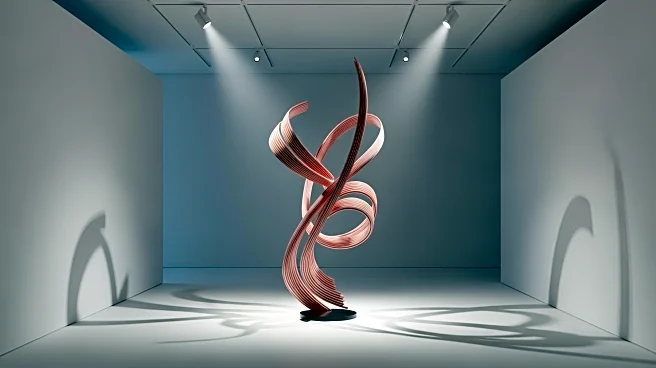
The art world is witnessing a growing interest in performance art among a new generation of collectors. Historically, performance art has been challenging to commodify due to its intangible nature. However, recent developments indicate a shift in its market
value. Notable figures like Marina Abramović have pioneered the commercialization of performance art by creating 'performance editions' that pair documentary photographs with contextual text, making them collectible. This model has been successful, as evidenced by the sale of Abramović's Complete Performances for $362,500 at Christie's in 2011. Additionally, artists like Tino Sehgal have found innovative ways to sell their performances, such as transferring ownership orally without documentation. The Museum of Modern Art's acquisition of Sehgal's 2003 performance 'Kiss' for $70,000 exemplifies this trend. The increasing sophistication of audiences and institutions in appreciating performance art is further evidenced by exhibitions like Felix Gonzalez-Torres's 'Untitled (Go-Go Dancing Platform)' at Hauser and Wirth in New York.
Why It's Important?
The growing market for performance art signifies a broader acceptance and appreciation of non-traditional art forms. This shift could have significant implications for the art industry, as it opens new revenue streams for artists and galleries. By attracting a younger audience, performance art can engage a demographic that interacts with art in innovative ways, such as through social media platforms. This engagement is crucial for the sustainability of the art market, as it ensures a continuous influx of new collectors and enthusiasts. Moreover, the monetization of performance art challenges traditional notions of art ownership and value, potentially leading to new legal and economic frameworks within the industry.
What's Next?
As performance art continues to gain popularity, galleries and museums may increasingly incorporate it into their programs to attract diverse audiences. This trend could lead to more collaborations between performance artists and institutions, fostering a dynamic cultural exchange. Additionally, the art market may see the development of new models for valuing and selling performance art, possibly influencing other art forms. The role of technology in promoting and documenting performance art will likely expand, offering artists new platforms to reach global audiences. As the market evolves, stakeholders will need to navigate the challenges of preserving the ephemeral nature of performance art while ensuring its accessibility and commercial viability.
Beyond the Headlines
The rise of performance art highlights broader cultural shifts towards experiential and participatory art forms. This trend reflects a societal move towards valuing experiences over material possessions, aligning with the preferences of younger generations. The integration of performance art into mainstream galleries also raises questions about the commodification of art and its impact on artistic integrity. As performance art becomes more commercialized, artists and institutions must balance financial interests with the preservation of the art form's authenticity and message. This development could lead to a reevaluation of what constitutes art and how it is consumed in contemporary society.