

What's Happening?
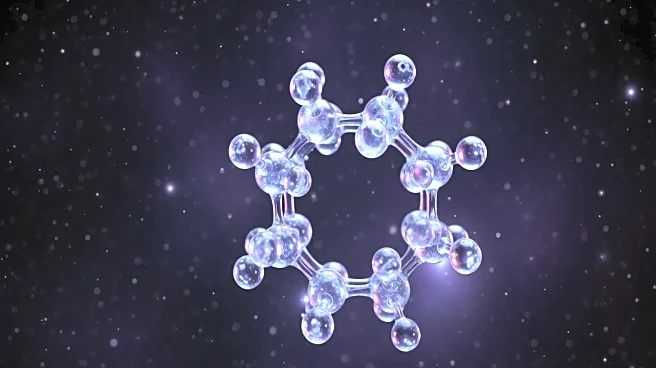
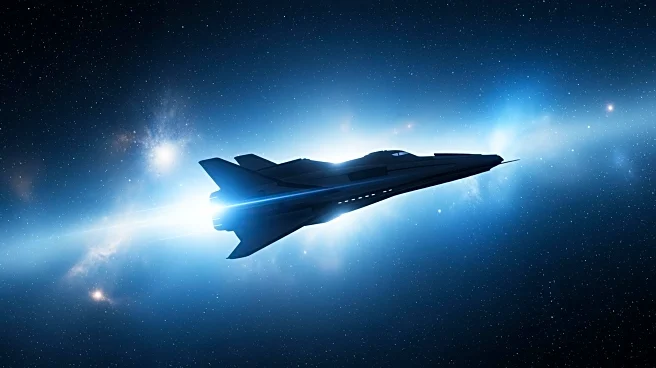
Andy Weir, the author of 'Project Hail Mary', discusses the astrobiological concepts explored in the film adaptation of his book. The movie delves into speculative biology, focusing on an alien microbe called 'astrophage' that feeds on stars, posing a threat
to the sun. This premise allows the film to explore the real-life field of astrobiology, which studies the potential for life beyond Earth. Weir explains that the concept of panspermia, where life is seeded across the cosmos, plays a significant role in the story. The film's narrative is set against the backdrop of humanity's struggle to prevent astrophage from consuming the sun, highlighting the challenges and possibilities of discovering extraterrestrial life.
Why It's Important?
The exploration of astrobiology in 'Project Hail Mary' underscores the growing interest in the search for extraterrestrial life. By integrating scientific theories with speculative fiction, the film encourages audiences to consider the vast possibilities of life beyond Earth. This narrative can inspire scientific inquiry and public interest in astrobiology, potentially leading to increased research funding and exploration missions. The film also raises questions about humanity's preparedness to deal with potential extraterrestrial threats, emphasizing the need for continued scientific advancement and international cooperation in space exploration.
What's Next?
As 'Project Hail Mary' hits theaters, it is likely to spark discussions among scientists, educators, and the public about the plausibility of its scientific concepts. The film may lead to increased interest in astrobiology courses and research, as well as inspire future science fiction works that explore similar themes. Additionally, the movie's release could prompt further dialogue about the ethical and practical implications of discovering alien life, influencing future space policy and exploration strategies.