
What's Happening?
The Latin America Agricultural Equipment Market is projected to grow significantly, with its size expected to reach USD 16,924.7 million by 2034, up from USD 13,887.4 million in 2025. This growth is driven
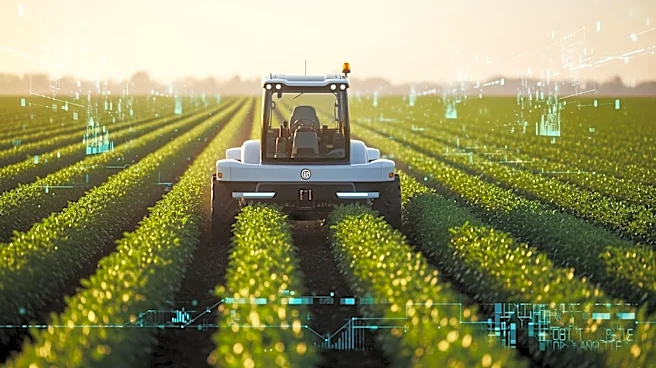
by increased mechanization in farming operations, the adoption of precision agriculture technologies, and government support for sustainable agricultural practices. The market is evolving with the integration of advanced automation systems, GPS-enabled machinery, and AI-driven analytics platforms. Brazil, in particular, dominates the market due to its large-scale agricultural production and high adoption of modern farming technologies.
Why It's Important?
The growth of the agricultural equipment market in Latin America is crucial for enhancing food security and export competitiveness in the region. The adoption of advanced farming technologies can lead to increased productivity and efficiency, reducing labor dependency and addressing rising food demand. Government initiatives supporting agricultural modernization further accelerate this growth, promoting sustainable farming practices that minimize environmental impact. This market expansion also presents opportunities for key players in the industry to invest in research and development, automation technologies, and digital farming platforms.
What's Next?
As the market continues to grow, companies are likely to focus on expanding their geographical reach and enhancing their product offerings. The integration of smart farming and connected agricultural ecosystems will be a key trend, with companies adopting AI-powered machinery and precision irrigation systems. The development of electric and hybrid agricultural machinery will cater to the need for sustainable and energy-efficient farming operations. Additionally, the competitive landscape will see industry leaders engaging in mergers and acquisitions to strengthen their regional footprints.
Beyond the Headlines
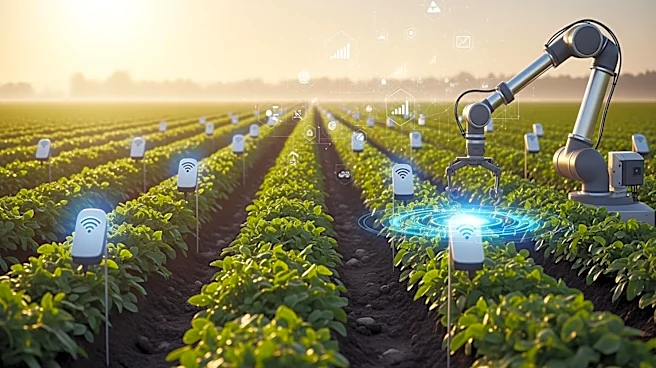
The shift towards precision agriculture and smart farming technologies reflects a broader trend of digital transformation in the agricultural sector. This transformation is not only about increasing productivity but also about optimizing resource management and reducing environmental impact. The integration of automation and telematics technologies offers real-time equipment monitoring and predictive maintenance, which can significantly enhance operational efficiency. As these technologies become more widespread, they could lead to long-term shifts in how agriculture is practiced in the region.