






What's Happening?
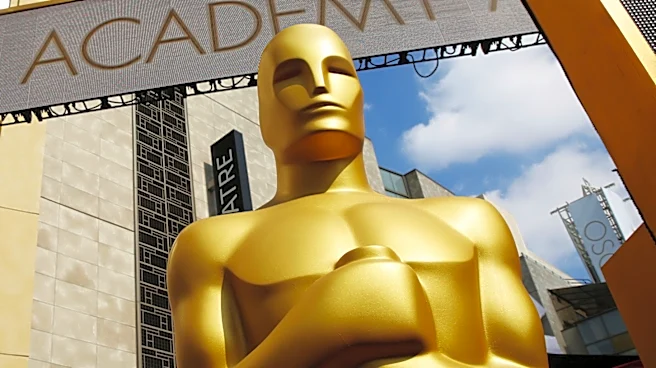
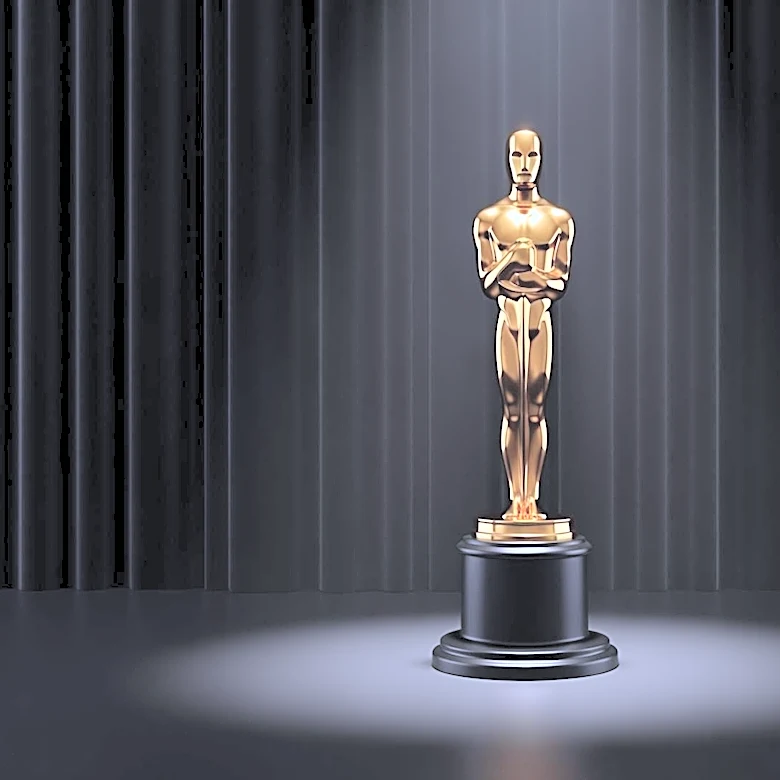
The Academy of Motion Picture Arts and Sciences has updated its eligibility rules to exclude generative AI from acting and writing categories at the Oscars. The new guidelines specify that only performances and screenplays created by humans will be considered
for these awards. While the use of AI and digital tools in other categories is still permitted, the Academy emphasizes the importance of human creativity in the filmmaking process. This decision reflects the Academy's stance on maintaining the integrity of artistic contributions in the face of advancing technology.
Why It's Important?
The Oscars' decision to ban generative AI in key categories underscores the ongoing debate about the role of technology in creative industries. By prioritizing human authorship, the Academy aims to preserve the traditional values of artistic expression and originality. This move could influence other award bodies and set a precedent for how AI is integrated into the arts. It also highlights the ethical considerations surrounding AI's impact on employment and the creative process, as industries grapple with balancing innovation and tradition.
Beyond the Headlines
The ban on generative AI at the Oscars raises broader questions about the future of creativity and the potential for AI to disrupt traditional artistic roles. As technology continues to evolve, industries must navigate the ethical implications of AI's capabilities, including issues of authorship, intellectual property, and the preservation of human creativity. The Academy's decision may prompt further discussions about the boundaries of AI in the arts and the need for regulations to ensure fair and ethical use.