
What's Happening?
The agricultural sector is facing a significant challenge as the knowledge required to run farms is not being effectively transferred to the next generation. In the United States, 315 farms filed for bankruptcy
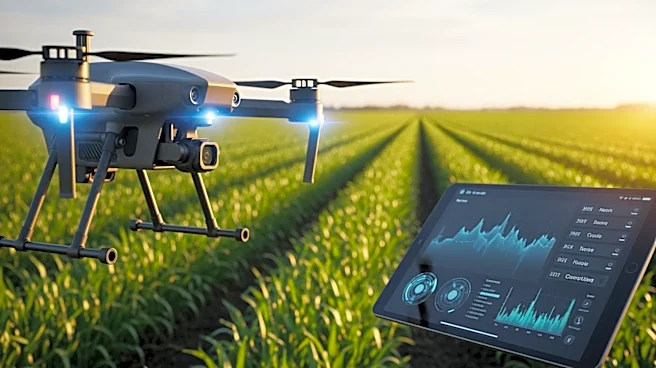
in 2025, marking a 46% increase from the previous year. The USDA reports a concerning demographic trend with more farmers over the age of 75 than under 35. This issue is compounded by the fact that many farms lack a succession plan, leading to the potential loss of valuable operational knowledge. The agricultural technology sector is now looking towards artificial intelligence (AI) as a solution to preserve and transfer this knowledge. AI can optimize decision-making processes across the full lifecycle of a farm, potentially preventing the loss of generational intelligence that has sustained farms for decades.
Why It's Important?
The decline in farm succession planning and the aging farmer population pose a threat to the sustainability of the agricultural industry. The loss of operational knowledge could lead to increased farm bankruptcies and further consolidation of farmland by large operators and institutional landowners. AI offers a potential solution by providing real-time decision-making support, which could empower new entrants and smaller farms to remain competitive. This technological integration could help maintain the viability of independent farms, preserving the diversity and resilience of the agricultural sector. The successful implementation of AI could also mitigate the risk of consolidation, ensuring that farming remains accessible to a broader range of operators.
What's Next?
The agricultural technology sector must focus on integrating AI systems that are accessible and practical for farmers of all sizes. This involves developing tools that can be used in real-time to make informed decisions, thereby reducing the reliance on traditional knowledge that is not easily transferred. Policymakers and industry leaders may need to support initiatives that promote the adoption of AI in agriculture, ensuring that smaller farms have access to these technologies. The future of farming could see a shift towards more technologically driven operations, with AI playing a crucial role in sustaining farm operations and preventing further consolidation.
Beyond the Headlines
The integration of AI in agriculture raises ethical and cultural considerations, particularly regarding the preservation of traditional farming practices and the potential loss of rural heritage. As AI becomes more prevalent, there may be concerns about the depersonalization of farming and the impact on community identity. Additionally, the reliance on technology could create disparities between those who can afford advanced systems and those who cannot, potentially widening the gap between large and small-scale farmers. Addressing these issues will be crucial to ensuring that AI serves as a tool for empowerment rather than exclusion.