
What's Happening?
Interior designer Tzvia Kazayoff discusses the latest trends in home design for 2026, emphasizing the use of natural materials and a calming color palette. According to Kazayoff, the home is increasingly
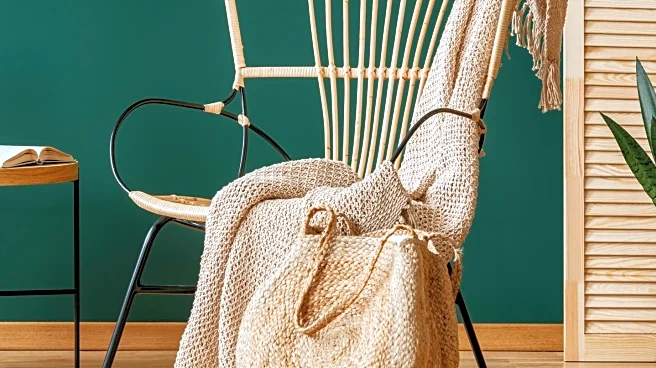
seen as a personal sanctuary in a constantly changing world. The trend is moving towards spaces that are not only aesthetically pleasing but also emotionally supportive. Natural materials like stone and wood are favored for their ability to create a sense of warmth and life. The color palette for 2026 leans towards earth tones such as olive green, dark brown, sand, and cream, which are intended to connect with the eye and soul. Additionally, technology in the home is designed to be unobtrusive, serving the inhabitants without dominating the space. This approach aims to create a home environment that is both functional and emotionally fulfilling.
Why It's Important?
The shift towards natural materials and subtle technology in home design reflects broader societal trends towards sustainability and mental well-being. As people spend more time at home, especially in the wake of global disruptions, there is a growing demand for living spaces that offer comfort and stability. This trend could influence the real estate market, as homes that incorporate these elements may become more desirable. Additionally, the focus on long-term planning in home design suggests a shift in consumer priorities towards investments that accommodate life changes over time. This could impact industries related to home construction, interior design, and smart home technology, as they adapt to meet these evolving consumer needs.
What's Next?
As these trends gain traction, we can expect to see more homes being designed with a focus on sustainability and adaptability. Builders and designers may increasingly incorporate eco-friendly materials and technologies that enhance the quality of life without being intrusive. This could lead to innovations in smart home technology that prioritize user experience and environmental impact. Additionally, as consumers become more aware of the benefits of such designs, there may be a growing demand for homes that offer these features, potentially influencing market dynamics and property values.