

What's Happening?
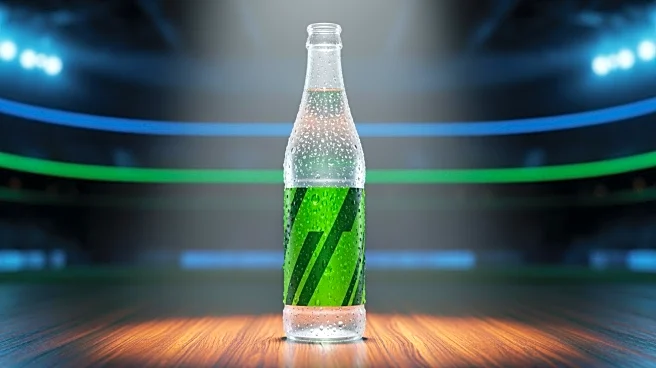
Product manufacturers are responding to consumer interest in energy drinks with innovative new products. Coca-Cola has reintroduced its Mr. Pibb soda, now with 30% more caffeine than its predecessor, Pibb Xtra. The reformulated beverage features sweet
cherry and caramel flavors with a spicy aftertaste. Meanwhile, Esspo has launched an espresso soda, offering a caffeinated beverage option that mimics the experience of drinking soda. This product is made with ingredients like carbonated water, organic blue agave nectar, and cold brew coffee extract, providing 120 mg of caffeine per serving. Additionally, Campbell's is expanding its V8 energy product line with zero sugar options, featuring flavors such as blueberry raspberry and strawberry lemonade.
Why It's Important?
The introduction of these new energy beverages highlights a growing trend in the beverage industry towards catering to health-conscious consumers seeking alternatives to traditional sodas. By increasing caffeine content and offering low-calorie options, companies like Coca-Cola and Campbell's are tapping into a market that values both energy and health benefits. This shift could influence consumer preferences and drive further innovation in the beverage sector. The success of these products may encourage other companies to explore similar innovations, potentially reshaping the competitive landscape of the beverage industry.
What's Next?
As these new products hit the market, consumer reception will be crucial in determining their success. Companies will likely monitor sales and feedback closely to assess the viability of expanding these product lines. If successful, other beverage manufacturers may follow suit, leading to a broader range of energy drink options. Additionally, regulatory scrutiny on caffeine content and health claims could impact future product development and marketing strategies.