

What's Happening?
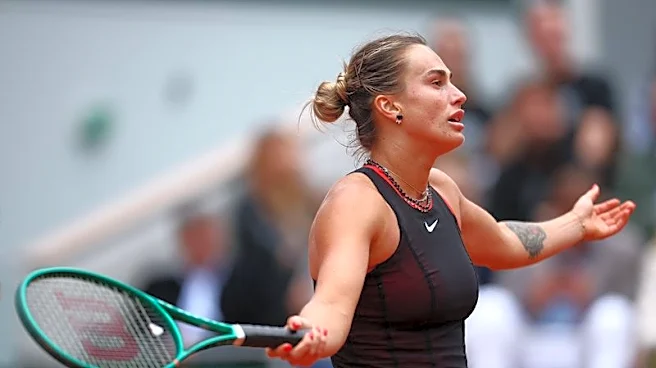
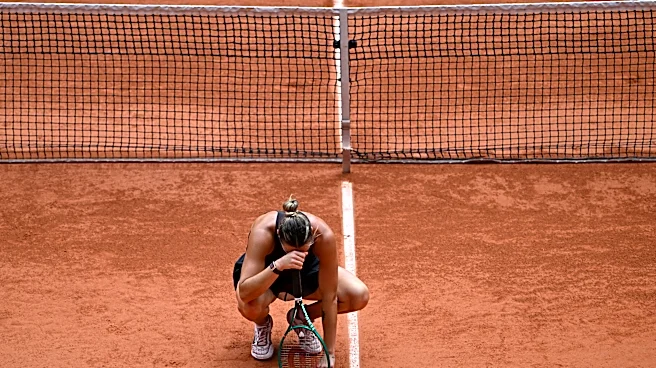
The 2026 French Open has been marked by a series of unexpected upsets and player withdrawals, leading to criticism of the tournament's organization and impact on the sport. Notable incidents include world No. 1 Aryna Sabalenka's surprising defeat in the quarter-finals
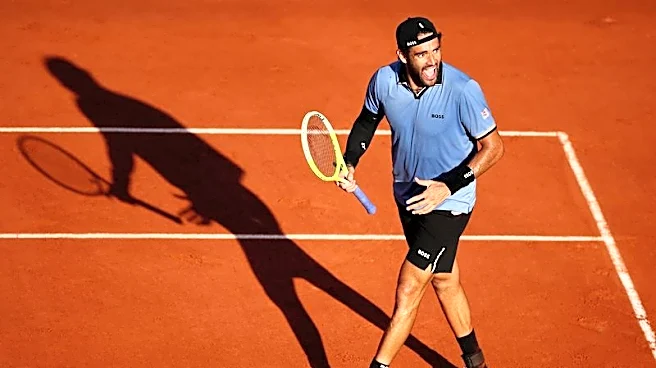
and Matteo Berrettini's withdrawal due to injury. The tournament has seen several high-profile players exit early, leaving the draw wide open and leading to a lack of star power in the later stages. This has raised concerns about the tournament's appeal and the quality of matches being offered to fans. The absence of defending champion Carlos Alcaraz due to injury further compounded the situation, diminishing the tournament's competitive edge.
Why It's Important?
The series of upsets and withdrawals at the French Open highlights the challenges faced by major tennis tournaments in maintaining viewer interest and ensuring competitive balance. The absence of top players can lead to decreased viewership and fan engagement, impacting the tournament's commercial success and reputation. For the sport of tennis, such occurrences can affect the perception of Grand Slam events as the pinnacle of competition, potentially influencing sponsorship deals and media coverage. The situation underscores the need for tournament organizers to address player welfare and scheduling to prevent similar issues in the future.
What's Next?
As the French Open progresses, attention will turn to the remaining matches and the potential for new champions to emerge. Tournament organizers may need to reassess their strategies for player management and event promotion to ensure future editions maintain their status as premier tennis events. The outcomes of the final matches will also be closely watched to see if any new stars can capture the public's imagination and restore some of the tournament's lost prestige. Additionally, the tennis community may engage in discussions about how to better support players and prevent injuries that lead to withdrawals.