






What's Happening?
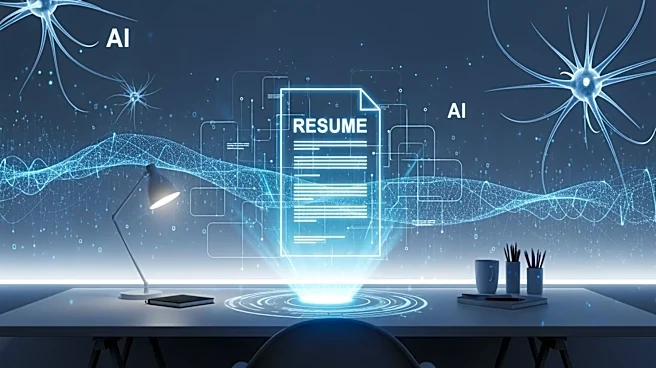
The integration of artificial intelligence (AI) in recruiting processes has significantly increased efficiency by automating tasks such as resume screening, interview scheduling, and job description drafting. These advancements have reduced the administrative
burden on recruiters, allowing them to focus on more strategic aspects of hiring. However, the article emphasizes that AI should not replace human judgment in the hiring process. While AI can handle large volumes of data and streamline certain tasks, it lacks the ability to evaluate nuances, cultural fit, and soft skills that are critical for successful hiring decisions. Human recruiters are essential for interpreting candidate information, assessing context, and ensuring long-term hiring success. This is particularly important in industries like hospitality and travel technology, where brand perception and service delivery are crucial.
Why It's Important?
The reliance on AI in recruiting highlights a significant shift in how organizations approach hiring. While AI can enhance efficiency, the article underscores the risks of over-reliance on technology without human oversight. Automated systems may overlook qualified candidates due to rigid criteria, leading to false rejections and a reduced talent pool. This can negatively impact diversity and the overall quality of hires. Human recruiters play a vital role in mitigating these risks by providing oversight and ensuring that candidates are evaluated holistically. In sectors like hospitality, where customer experience and brand reputation are paramount, a single hiring mistake can have far-reaching consequences. Therefore, maintaining a balance between AI and human judgment is crucial for protecting organizational culture, reducing turnover, and safeguarding revenue.
What's Next?
As AI continues to evolve, organizations are likely to further integrate these technologies into their recruiting processes. However, the article suggests that the most effective model moving forward is one where AI supports rather than replaces human decision-making. Companies are expected to refine their use of AI tools to enhance efficiency while ensuring that human recruiters remain central to the hiring process. This approach will likely involve ongoing training for recruiters to effectively leverage AI tools and maintain their critical role in evaluating candidates. Additionally, organizations may focus on developing AI systems that better align with human judgment, reducing the risk of bias and improving the overall quality of hires.
Beyond the Headlines
The integration of AI in recruiting raises important ethical and cultural considerations. The potential for bias in AI algorithms is a significant concern, as these systems often rely on historical data that may reflect existing prejudices. Ensuring that AI tools are designed and implemented with fairness and transparency in mind is crucial for promoting diversity and inclusion in the workplace. Furthermore, the shift towards AI-driven recruiting may alter the traditional role of recruiters, requiring them to adapt to new technologies and develop skills in data analysis and technology management. This evolution could lead to a redefinition of the recruiter’s role, emphasizing strategic decision-making and relationship management over administrative tasks.