
What's Happening?
US investor-owned utility companies are planning to invest $1.4 trillion in electricity infrastructure by 2030, according to a report by PowerLines. This investment is more than double the amount spent
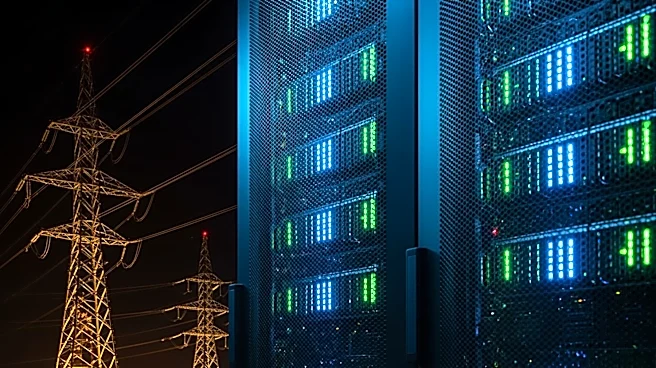
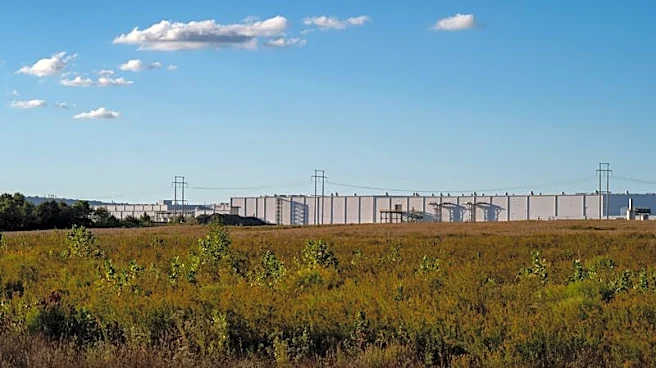
in the previous decade. The surge in capital expenditure is largely driven by the increasing demand for electricity from data centers, which are expanding rapidly due to the growth of artificial intelligence. The report highlights that data centers consumed over 4% of the US's total electricity in 2023, a figure projected to rise to 9% by 2030. Additional factors contributing to the investment include the need to replace aging infrastructure, enhance grid resilience against severe weather, and accommodate the electrification of transport and heating.
Why It's Important?
The planned investment by utilities is significant as it reflects the growing demand for electricity driven by technological advancements, particularly in AI. This surge in demand could lead to higher electricity rates for consumers, as utilities typically recover capital expenditures through rate increases approved by state regulators. The US Energy Information Administration projects a 5.1% rise in average residential electricity prices in 2026. The financial burden of these investments may fall heavily on residential customers, potentially exacerbating the energy affordability crisis. However, if managed correctly, the increased demand from large consumers like data centers could help distribute fixed costs more broadly, potentially mitigating rate increases.
What's Next?
The future will depend on how state regulators allocate costs between residential and industrial customers. The ability of utilities to manage capacity constraints and integrate new technologies will be crucial. The North American Electric Reliability Corporation has noted a significant increase in load growth projections, which will require careful planning and investment. Additionally, the outcome of these investments will be influenced by how effectively utilities can balance the needs of different customer segments while maintaining grid reliability and affordability.