


What's Happening?
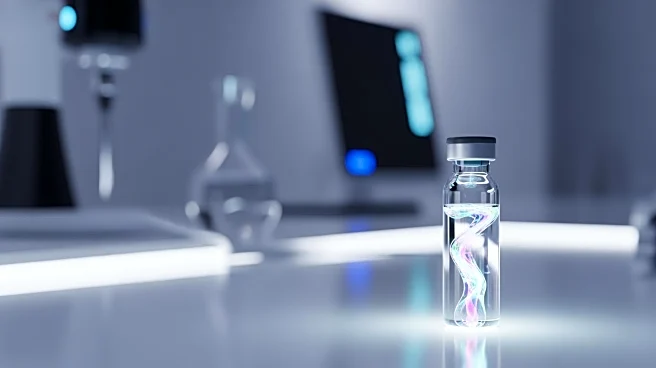
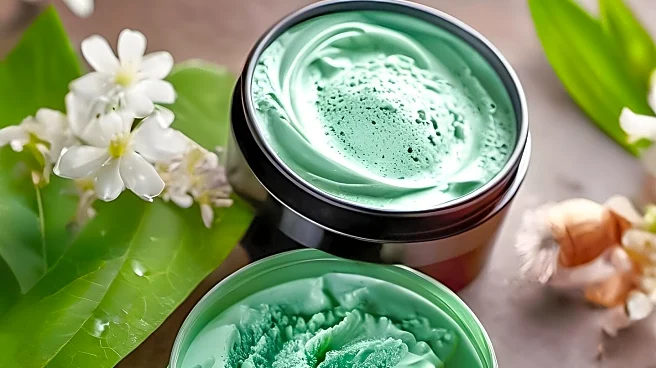
Exosomes, tiny vesicles released by cells, are being marketed in skin care products for their purported anti-aging benefits. These products, which include serums and creams, claim to rejuvenate skin by delivering bioactive molecules like peptides and proteins.
However, dermatologists express concerns about the safety and efficacy of exosomes, especially when used in conjunction with procedures like microneedling. Exosomes are not FDA-approved for cosmetic use, leading to variability in product quality and safety. Experts warn that while topical applications may be safe, injecting exosomes or using them with microneedling can lead to adverse effects such as infections and immune reactions.
Why It's Important?
The growing popularity of exosome-based skin care products highlights a significant gap in regulatory oversight. Without FDA approval, there is no standardized quality control, raising concerns about consumer safety. The potential for adverse effects, particularly with invasive procedures, underscores the need for more comprehensive research and regulation. This situation reflects broader issues in the cosmetic industry, where innovative products often outpace regulatory frameworks, potentially putting consumers at risk. The dermatology community's cautionary stance serves as a reminder of the importance of evidence-based practices in cosmetic treatments.
What's Next?
As the demand for exosome products continues, there may be increased pressure on regulatory bodies like the FDA to establish guidelines and standards for their use. Dermatologists and researchers are likely to call for more rigorous studies to assess the long-term safety and efficacy of exosomes in skin care. Meanwhile, consumers are advised to approach these products with caution and consult healthcare professionals before undergoing treatments involving exosomes. The industry may also see a push towards transparency in product labeling and sourcing to ensure consumer safety.