





What's Happening?
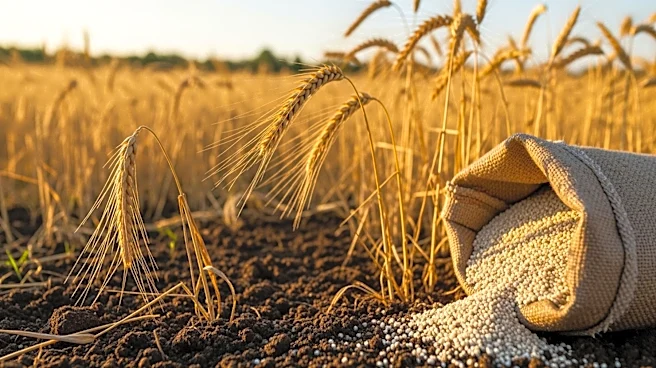
Idaho farmers are facing significant challenges as fertilizer prices have nearly doubled since early March. Matt Dorsey, president of the Idaho Farm Bureau Federation, highlights that farmers are unable to pass these increased costs onto consumers, leading
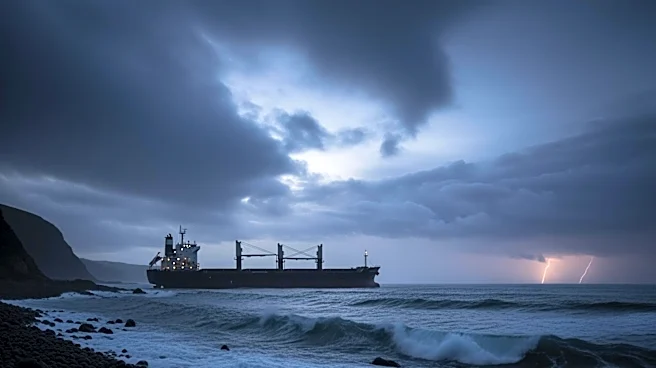
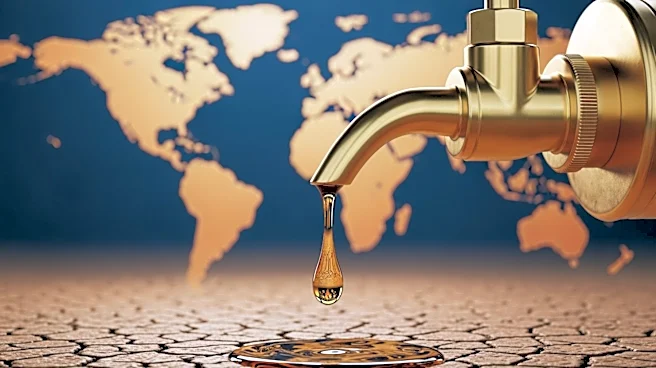
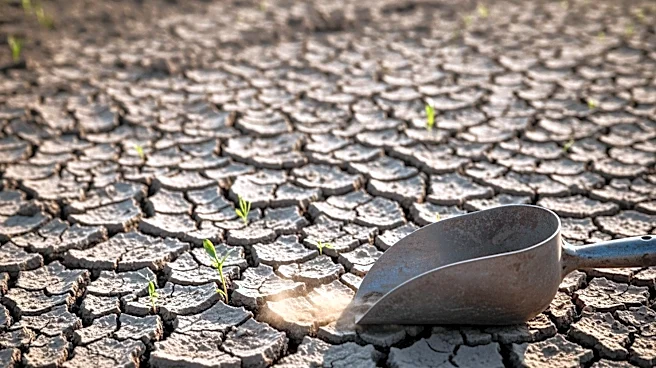
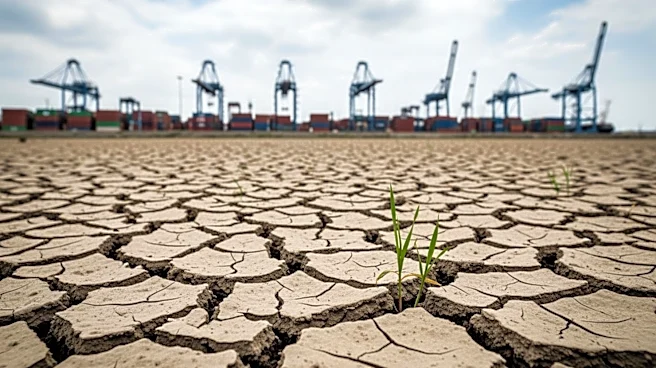
to financial strain. The recent closure of the Strait of Hormuz has further complicated the situation, affecting oil prices and agricultural costs. Additionally, a drought declared across Idaho is expected to worsen conditions, with farmers anticipating only a quarter of their normal water supply. These factors are forcing farmers to borrow more money and carry debts over multiple years.
Why It's Important?
The surge in fertilizer prices and drought conditions pose a severe threat to Idaho's agricultural sector, which is a critical component of the state's economy. The inability to offset rising costs could lead to reduced profitability and financial instability for farmers, potentially impacting food production and supply chains. The situation underscores the vulnerability of the agricultural sector to global market fluctuations and environmental challenges. Addressing these issues is essential to ensure the sustainability of farming operations and the livelihoods of those dependent on agriculture.
What's Next?
Farmers may need to explore alternative strategies to manage rising costs and water shortages, such as adopting more efficient irrigation techniques or seeking financial assistance. Policymakers and agricultural organizations might consider providing support to help farmers navigate these challenges, including subsidies or incentives for sustainable practices. The ongoing geopolitical tensions and environmental conditions will likely continue to influence the agricultural landscape, necessitating adaptive measures to ensure resilience in the sector.