






What's Happening?
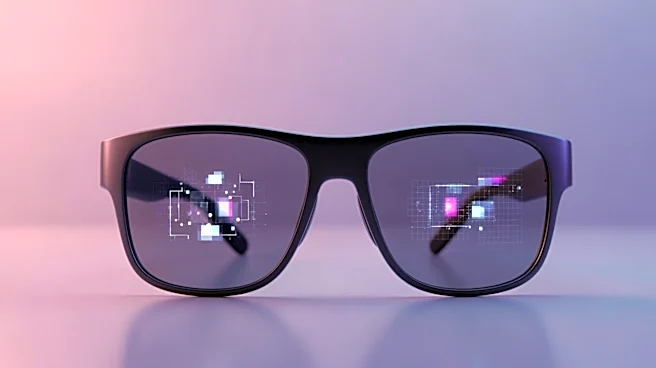
In 2026, major technology and eyewear companies are introducing new smart glasses that could significantly alter the use of augmented reality (AR). Meta has expanded its Ray-Ban smart glasses line with two new prescription models, available from April
14, 2026, priced at $499. This move is significant as Meta already dominates the smart-glass market, and the new models could integrate AR into everyday eyewear. Google, in partnership with Warby Parker, is set to release AI-integrated stylish frames, aiming to make AR more accessible and fashionable. Apple is reportedly testing four smart-glasses designs, focusing on aesthetics and functionality without visible displays. Snap is preparing to launch AR-first social glasses, emphasizing social media integration. Vuzix continues to focus on enterprise AR solutions, enhancing durability and battery life. These developments highlight a shift from prototypes to consumer-ready products, with each company betting on different aspects of AR technology to capture market interest.
Why It's Important?
The introduction of these smart glasses marks a pivotal moment in the AR industry, potentially transforming how consumers interact with technology in daily life. By integrating AR into familiar eyewear, companies like Meta and Google aim to make the technology more accessible and less intrusive. This could lead to widespread adoption, influencing sectors such as retail, healthcare, and entertainment. The competition among tech giants to dominate the AR market could drive innovation, leading to more advanced features and improved user experiences. However, the increased use of AR glasses raises privacy and security concerns, as these devices often include cameras and sensors that could be used for surveillance. The success of these products will depend on balancing technological advancements with consumer trust and addressing ethical considerations.
What's Next?
As these smart glasses hit the market, consumer reactions and adoption rates will be closely monitored. Companies will likely gather feedback to refine their products, focusing on enhancing user experience and addressing privacy concerns. Regulatory bodies may also step in to establish guidelines for the use of AR technology, particularly regarding data privacy and security. The success of these launches could encourage further investment in AR development, potentially leading to new applications and integrations across various industries. Additionally, as more consumers adopt AR glasses, there may be a cultural shift in how people perceive and interact with technology, influencing social norms and behaviors.
Beyond the Headlines
The launch of these smart glasses could have long-term implications for the tech industry and society. As AR becomes more integrated into daily life, it may change how people access information, communicate, and entertain themselves. This could lead to new business models and opportunities, particularly in advertising and content creation. However, the widespread use of AR glasses also poses ethical challenges, such as the potential for increased surveillance and data collection. Companies will need to navigate these issues carefully to maintain consumer trust and ensure the responsible use of technology. The evolution of AR glasses could also influence fashion trends, as eyewear becomes a platform for technological innovation.