

What's Happening?
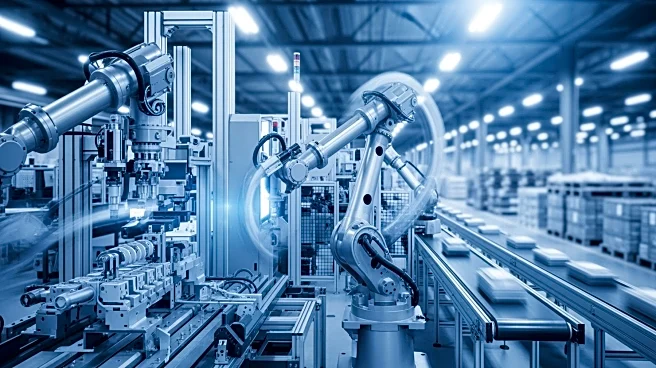
U.S. manufacturing activity experienced a notable increase in January, with production rising at its fastest pace since May 2022. This growth occurred despite modest new orders and continued pressure on exports, as reported by the S&P Global US Manufacturing PMI survey. The manufacturing sector's resilience is attributed to increased factory output, which has helped offset weak demand. This development is part of a broader trend in North American manufacturing, which includes significant investments in new projects, such as Eli Lilly's $3.5 billion pharmaceutical manufacturing campus in Pennsylvania.
Why It's Important?
The growth in U.S. manufacturing output is a positive sign for the economy, indicating that the sector is capable of adapting to challenging market
conditions. This resilience is crucial for maintaining economic stability and supporting job creation. The investments in new manufacturing projects, like Eli Lilly's, highlight the potential for long-term growth and innovation in the industry. However, the ongoing pressure on exports and modest new orders suggest that manufacturers will need to continue finding ways to enhance productivity and competitiveness.
What's Next?
Manufacturers will likely focus on strategies to sustain growth, such as investing in technology and improving operational efficiencies. The sector may also benefit from exploring new markets and diversifying product offerings to mitigate the impact of weak demand. Policymakers and industry leaders will need to monitor global economic trends and trade policies that could affect the manufacturing landscape. Continued investment in infrastructure and workforce development will be essential to support the sector's growth and competitiveness.