







What's Happening?
Conexeu Sciences has initiated a preclinical development program for its B.R.E.A.S.T.™ Bioregenerative Matrix Platform in collaboration with the Wake Forest Institute for Regenerative Medicine (WFIRM). This program aims to evaluate the durability, integration,
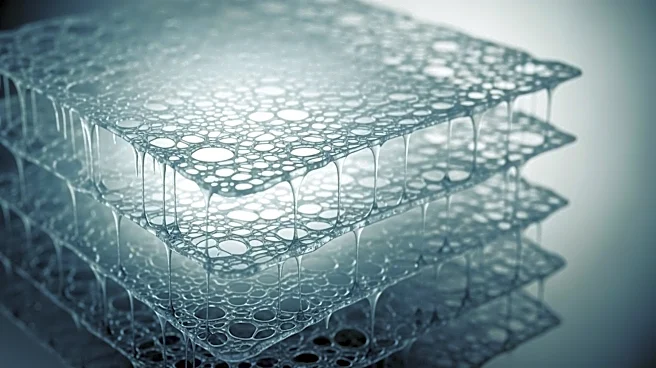
and resorbability of Conexeu's 3D-printed matrix technology, which is designed to guide the body's own cells in forming new tissue. The initiative is part of Conexeu's broader strategy to advance regenerative medicine technologies beyond traditional implant methods. The program will leverage WFIRM's advanced bioprinting infrastructure to support comprehensive preclinical studies, with findings expected to inform future clinical development.
Why It's Important?
This development represents a significant advancement in the field of regenerative medicine, offering a potential alternative to permanent breast implants and traditional reconstruction methods. By focusing on bioregenerative approaches, Conexeu aims to address the limitations of current implant technologies, such as the need for replacement surgeries and potential complications. The collaboration with WFIRM, a leader in regenerative medicine, underscores the potential for innovative solutions in tissue engineering and could pave the way for new treatment options in soft tissue restoration. This initiative could have far-reaching implications for the medical device industry and patient care.
What's Next?
The preclinical program will inform the design of future studies and guide the progression towards clinical trials. Conexeu is leveraging support from the RegenMed Development Organization to accelerate the translation of its technology into clinical practice. The company plans to pursue a U.S. regulatory strategy with an anticipated 510(k) submission in early 2027. As the program progresses, it will be crucial to monitor the outcomes of the preclinical studies and the potential impact on regulatory approvals and market adoption.