





What's Happening?
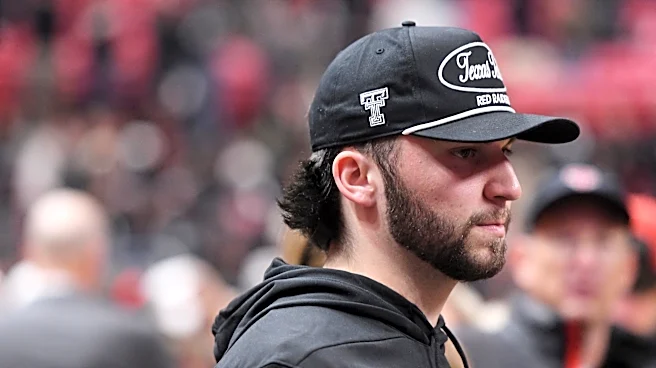
Texas Tech quarterback Brendan Sorsby has been suspended for the first two games of the 2026 season following a judge's ruling in his eligibility lawsuit. The suspension comes after Sorsby received a preliminary injunction that allows him to play during
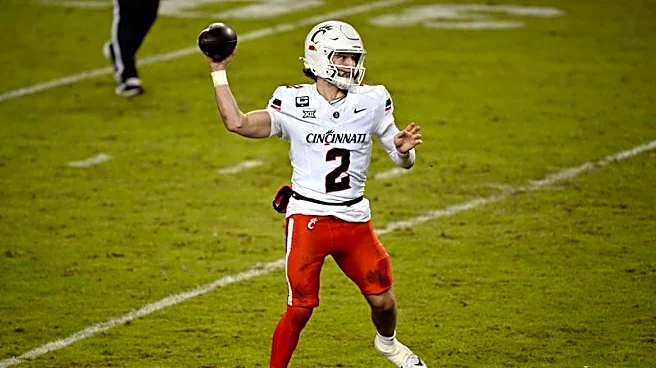
the 2026 season. The games affected are against Abilene Christian and Oregon State. The court also mandated that Sorsby continue treatment for a gambling addiction, which was a central issue in the lawsuit. Sorsby had been under investigation by the NCAA for allegedly placing bets while at Indiana, leading to his ineligibility ruling. Despite the NCAA's decision, Texas Tech sought reinstatement, which was denied, prompting the legal action. Sorsby, who transferred from Cincinnati, was a significant addition to Texas Tech, having completed a successful stint there with impressive statistics.
Why It's Important?
The suspension and legal proceedings surrounding Brendan Sorsby highlight ongoing challenges in college sports regarding gambling and athlete eligibility. The case underscores the NCAA's strict stance on gambling, reflecting broader concerns about integrity in college athletics. Sorsby's situation also raises questions about the NCAA's handling of mental health issues, as his attorneys argue that his gambling disorder is a mental health condition. The outcome of this case could influence future NCAA policies and how they address similar issues. For Texas Tech, Sorsby's suspension impacts their early season performance, potentially affecting their competitive standing. The case also draws attention to the pressures faced by student-athletes and the need for supportive measures addressing mental health and addiction.
What's Next?
Texas Tech plans to appeal the NCAA's decision, which could lead to further legal proceedings. The outcome of the appeal will determine Sorsby's eligibility for the remainder of the season. Additionally, the NCAA may face increased scrutiny over its policies and procedures regarding athlete welfare and eligibility. Stakeholders in college sports, including universities and athlete advocacy groups, may push for reforms to better support athletes dealing with mental health and addiction issues. The case could also prompt discussions on the role of gambling in sports and the responsibilities of institutions to educate and protect their athletes.