






What's Happening?
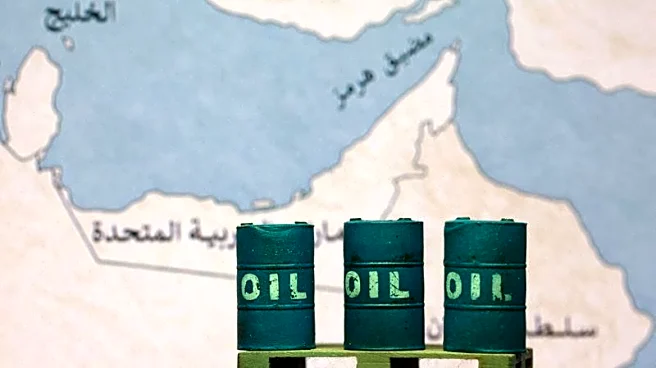
Small businesses across the United States are grappling with the effects of rising fuel prices, exacerbated by geopolitical tensions involving the U.S. and Israel's conflict with Iran. The cost of oil has surged past $100 per barrel, leading to increased
import and freight costs for businesses like Wonderstate Coffee, a Wisconsin-based coffee roaster. The company has experienced a 5% to 8% rise in import rates and additional freight costs, particularly for coffee beans sourced from Ethiopia. The ongoing conflict has necessitated extra insurance for shipments due to past incidents of shipping vessels being hit. Other businesses, such as Bogg, a tote bag manufacturer, are attempting to mitigate these challenges by purchasing materials well in advance, despite the risks involved. Some companies, like Heartwood Tree Company, have managed to insulate themselves from the worst effects by optimizing fuel consumption through strategic planning.
Why It's Important?
The rising fuel prices pose significant challenges for small businesses, which often operate on thin margins. These businesses are forced to consider passing increased costs onto consumers, potentially affecting their competitiveness and customer relationships. The situation highlights the vulnerability of small businesses to global geopolitical events and the interconnectedness of international supply chains. As these businesses face higher operational costs, there is a risk of reduced profitability and potential layoffs, impacting local economies and employment. The broader economic implications include potential inflationary pressures as businesses adjust their pricing strategies to cope with increased costs.
What's Next?
Small businesses will likely continue to adapt their strategies to manage rising costs, including exploring alternative supply chain options and further optimizing fuel consumption. Industry groups and advocacy organizations may push for policy interventions to support small businesses during this challenging period. The resolution of geopolitical tensions could eventually stabilize fuel prices, but businesses must prepare for prolonged impacts. Stakeholders, including policymakers and industry leaders, may need to consider measures to enhance the resilience of small businesses against such external shocks.