




What's Happening?
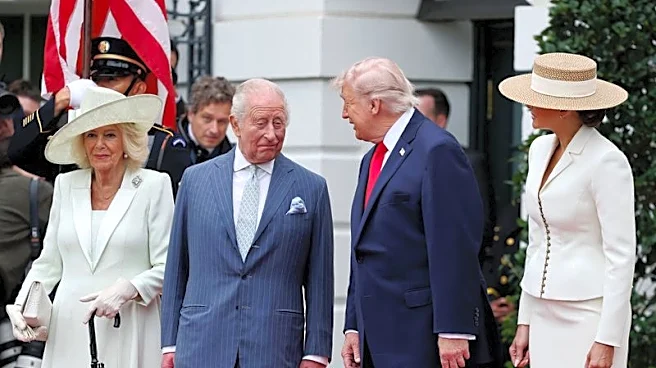
During the recent state visit of King Charles III and Queen Camilla to the United States, First Lady Melania Trump highlighted the White House's honey program by unveiling a new beehive on the South Lawn. The hive, designed to resemble the White House,
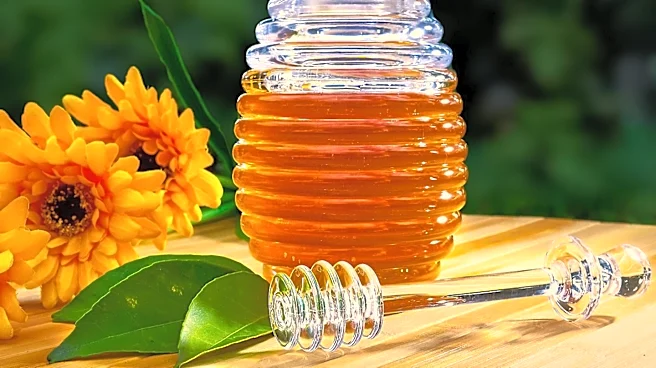
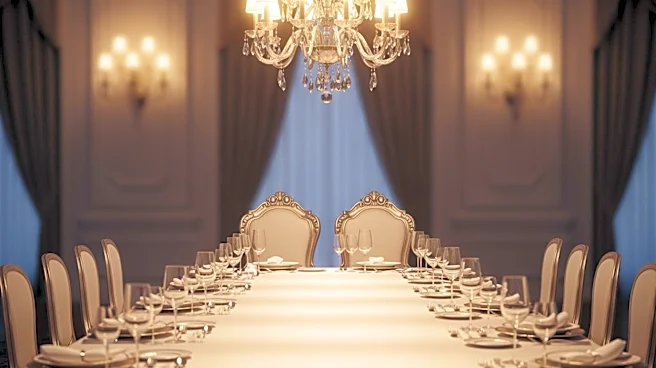
was part of an expansion of the existing beekeeping initiative, which has been in place since 2009. The program aims to increase honey production, which is used in White House kitchens and given as gifts. The royal couple, known for their support of beekeeping, toured the new hive and received jars of honey as part of their visit. The honey was also featured in the state dinner menu, showcasing its role in the White House's culinary offerings.
Why It's Important?
The expansion of the White House honey program reflects a commitment to sustainability and environmental stewardship, aligning with global efforts to support bee populations and biodiversity. The program not only enhances the White House's culinary capabilities but also serves as a diplomatic gesture, strengthening ties with international visitors through shared interests. The initiative supports local food kitchens and contributes to the maintenance of the White House Kitchen Garden, highlighting the broader impact of beekeeping on food security and environmental health.
Beyond the Headlines
The White House honey program represents a cultural and environmental initiative that extends beyond its immediate benefits. By promoting beekeeping, the program raises awareness about the importance of pollinators in agriculture and ecosystems. It also reflects a growing trend among public institutions to incorporate sustainable practices into their operations. The program's expansion underlines the role of the White House as a symbol of American values, including innovation and environmental responsibility.