






What's Happening?
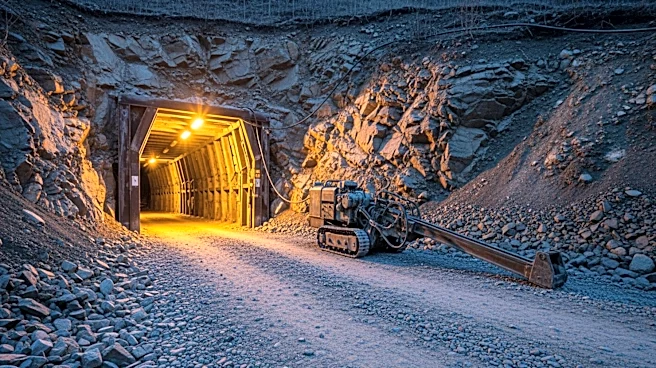
The mining industry is under scrutiny as the International Labour Organization (ILO) observes World Day for Safety and Health at Work. This day, established in 2003, aims to highlight the prevention of workplace accidents and diseases. The mining sector,
known for its hazardous conditions, is a focal point due to its high rates of occupational harm. According to the Lloyd’s Register Foundation World Risk Poll 2024 Report, mining ranks third in workplace harm prevalence globally. The industry faces chronic health risks and acute physical dangers, with suicide rates among miners being 80% higher than the national average. The day serves as a reminder of the ongoing need for improved safety measures and the importance of integrating health and safety practices. Companies like MYNWELL and Avetta are working to enhance safety by embedding health support into daily operations and improving compliance through automated systems.
Why It's Important?
The observance of World Day for Safety and Health at Work underscores the critical need for improved safety standards in the mining industry, which plays a vital role in the global energy transition. The high incidence of workplace harm in mining not only affects the well-being of workers but also impacts operational efficiency and productivity. By focusing on safety, the industry can reduce fatalities and injuries, thereby enhancing workforce morale and reducing turnover. Companies that prioritize safety and health are likely to see improved compliance and operational performance, which can lead to better governance and efficiency. The emphasis on psychological safety and engagement over enforcement is crucial in creating a safer work environment, ultimately benefiting both workers and the industry as a whole.
What's Next?
Moving forward, the mining industry is expected to continue its efforts to improve safety standards by adopting more proactive and integrated health and safety measures. Companies are likely to focus on identifying leading indicators of risk, such as fatigue and mental strain, to prevent incidents before they occur. The shift towards performance-based safety models, rather than compliance-driven ones, is anticipated to drive better safety outcomes. Engagement with workers will be key, as meaningful interaction can lead to fewer injuries and better quality of work. As the industry evolves, the challenge will be to maintain visibility and communication across complex supply chains and diverse workforce structures.
Beyond the Headlines
The focus on safety in the mining industry highlights broader cultural and psychological aspects that are often overlooked. The traditional toughness associated with mining can discourage workers from speaking up about health issues, leading to increased risks. Addressing psychosocial risks and creating a psychologically safe work environment are essential for preventing incidents. The industry's high suicide rates point to the need for better mental health support and awareness. By fostering a culture of openness and support, the mining sector can improve not only safety outcomes but also the overall well-being of its workforce.