




What's Happening?
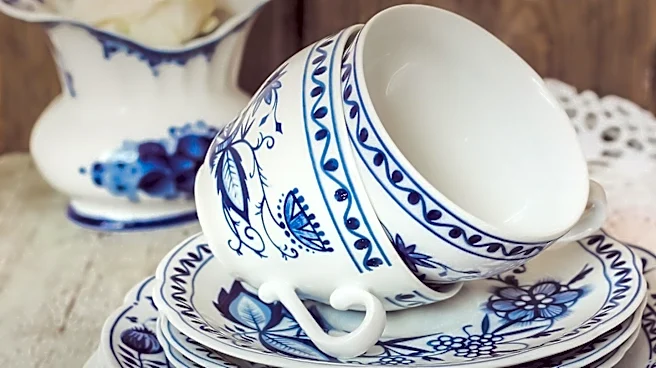
Vintage plates, often found in dining room cabinets or displayed during holidays, are becoming valuable assets in the resale market. Collectors are willing to pay significant amounts for these items, which are prized for their craftsmanship, rarity, and
historical significance. Notable examples include Japanese Kutani plates, Tiffany & Co. dinnerware, and Chinese Kangxi period plates. These items can sell for thousands of dollars, depending on factors such as age, design, and condition. The market for vintage plates is driven by collectors and investors seeking unique and valuable pieces.
Why It's Important?
The rising value of vintage plates highlights a growing interest in collectible and antique items, reflecting broader trends in the art and collectibles market. This interest is fueled by a desire for unique, high-quality items that offer both aesthetic and investment value. For collectors, these plates represent a connection to history and craftsmanship, while investors see them as a potential source of financial gain. The market for vintage plates also underscores the importance of preserving and appreciating cultural heritage, as these items often carry historical and artistic significance.
What's Next?
As interest in vintage plates continues to grow, collectors and investors may increasingly seek out rare and valuable pieces. This trend could lead to higher prices and increased competition in the market. Additionally, the popularity of vintage plates may inspire new collectors to explore the world of antiques and collectibles, potentially expanding the market further. For sellers, understanding the value and provenance of their items will be crucial in maximizing returns. The market's growth may also encourage more research and documentation of vintage plates, enhancing their historical and cultural significance.