







What's Happening?
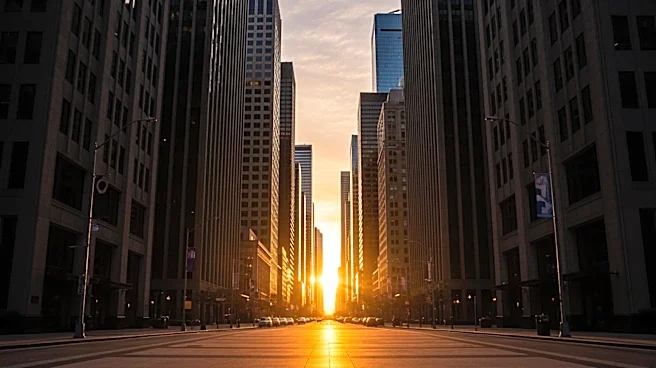
The official start of summer in 2026 is marked by the summer solstice on June 21. This day is significant as it represents the longest day of the year in the northern hemisphere, with Indianapolis experiencing approximately 15 hours of daylight. The summer solstice occurs
when the sun reaches its highest point in the sky, resulting in maximum noontime elevation. This astronomical event is derived from the Latin word 'solstitium,' meaning 'sun stands still.' The summer season in the northern hemisphere spans from late June through July, August, and most of September, concluding with the autumnal equinox on September 22.
Why It's Important?
The summer solstice is a key astronomical event that influences various cultural and societal activities. It marks a period of increased outdoor activities, tourism, and economic activities related to summer vacations and events. The extended daylight hours can lead to increased energy consumption due to higher temperatures, impacting energy policies and consumption patterns. Additionally, the solstice is celebrated in many cultures with festivals and rituals, highlighting its cultural significance. Understanding the timing of the solstice is crucial for planning agricultural activities, as it affects planting and harvesting schedules.
What's Next?
Following the summer solstice, the days will gradually become shorter until the winter solstice in December. This shift in daylight hours will influence various sectors, including agriculture, energy, and tourism. Businesses and communities may plan events and activities around the extended daylight hours to maximize economic and social benefits. As the season progresses, attention will turn to the autumnal equinox, which marks the transition to fall and brings changes in weather patterns and daylight hours.