


What's Happening?
In February 2026, the U.S. Consumer Price Index (CPI) rose by 0.3% on a monthly basis, maintaining a 2.4% increase year-over-year, according to the Bureau of Labor Statistics. This figure aligns with economists' expectations and remains above the Federal
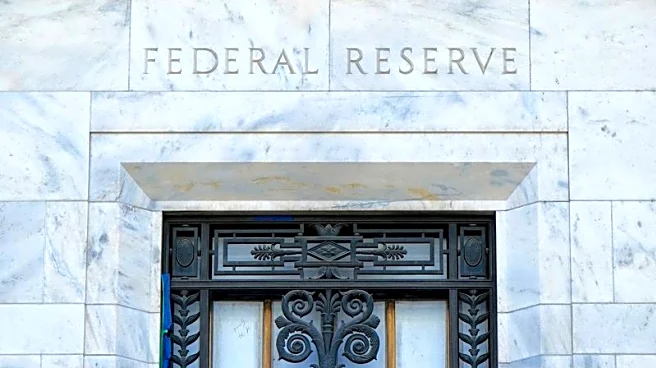
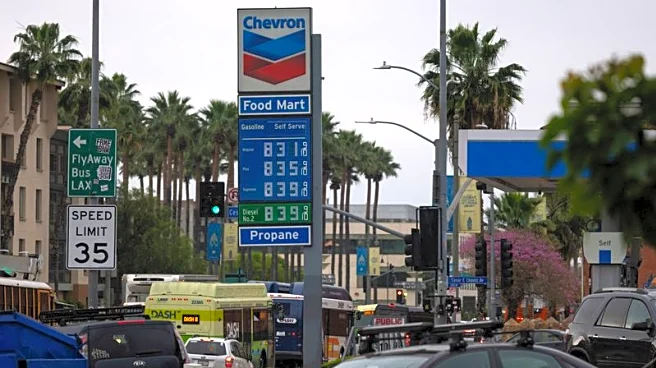
Reserve's target rate. Core prices, excluding volatile food and energy costs, increased by 0.2% from the previous month and 2.5% from the previous year. The ongoing conflict in Iran has led to a surge in gas prices, which could further impact inflation rates. The Federal Reserve, led by Chair Jerome Powell, is closely monitoring these developments as they consider potential interest rate adjustments.
Why It's Important?
The steady inflation rate, despite being one of the lowest in recent years, poses significant challenges due to the geopolitical tensions in Iran, which have caused a spike in oil prices. This situation places additional financial pressure on U.S. households, particularly those with lower incomes who spend a larger portion of their earnings on necessities. The Federal Reserve's response to these inflationary pressures is crucial, as it could influence interest rates and economic stability. The central bank's decisions will impact borrowing costs, consumer spending, and overall economic growth.
What's Next?
The Federal Reserve is scheduled to hold its next monetary policy meeting on March 17-18, where it will announce its latest interest rate decision. The market currently expects the Fed to maintain the federal funds rate within the range of 3.5% to 3.75%. However, the ongoing Iran conflict and its impact on oil prices may lead to a reassessment of this stance. Economists suggest that the Fed may delay any rate cuts until the economic implications of the conflict become clearer.