








What's Happening?
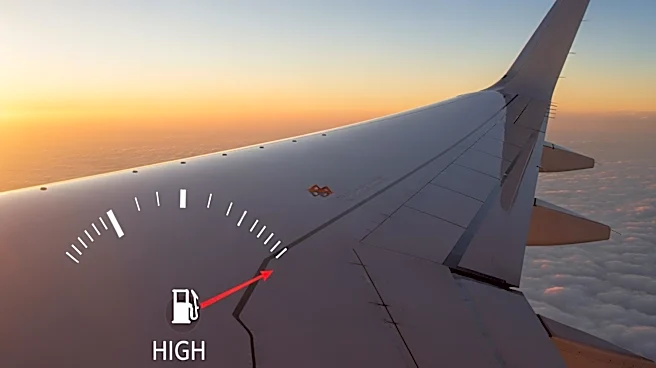
The ongoing conflict in Iran has led to a global fuel crisis, significantly impacting African airlines. Jet fuel prices have surged, with Brent crude trading near $98 per barrel, a 30% increase since the conflict began. This has resulted in higher operating
costs for airlines, which are being passed on to passengers through increased ticket prices. Major carriers like Ethiopian Airlines are experiencing substantial financial losses, with weekly losses reported at $137 million due to cancellations. The tourism sector is also affected, with reduced bookings and revenue losses reported by businesses in South Africa.
Why It's Important?
The fuel crisis poses a severe threat to the financial stability of African airlines, which are already operating under tight margins. The increased costs and operational disruptions could lead to further financial strain, potentially resulting in bankruptcies or reduced services. The tourism industry, heavily reliant on air connectivity, is also at risk, with potential long-term impacts on economic growth and employment. The situation highlights the vulnerability of the aviation sector to geopolitical events and underscores the need for strategic measures, such as fuel hedging and stockpiling, to manage volatility.
What's Next?
As the conflict continues, airlines may need to implement additional strategies to mitigate the impact of rising fuel costs. This could include exploring alternative fuel sources, adjusting routes, and enhancing operational efficiency. The tourism sector may also need to adapt by diversifying offerings and targeting new markets. Governments and industry stakeholders may need to collaborate on solutions to support the aviation and tourism sectors during this challenging period. The situation remains fluid, and ongoing monitoring of geopolitical developments will be crucial in assessing future risks and opportunities.