




What's Happening?
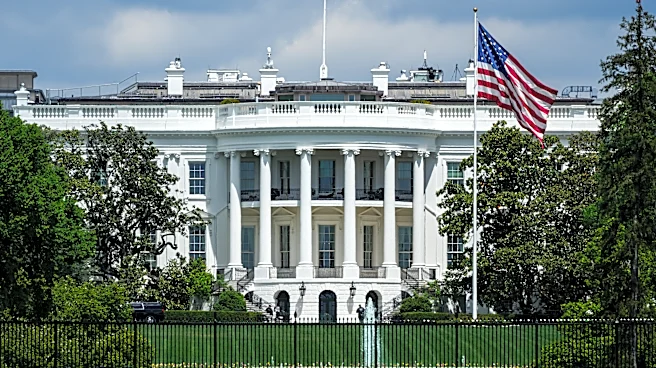
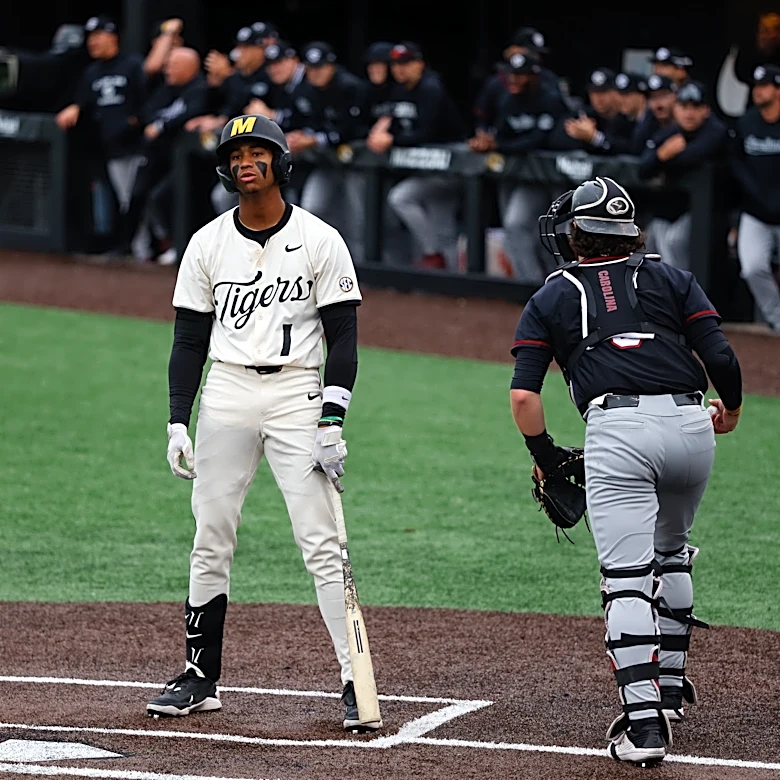
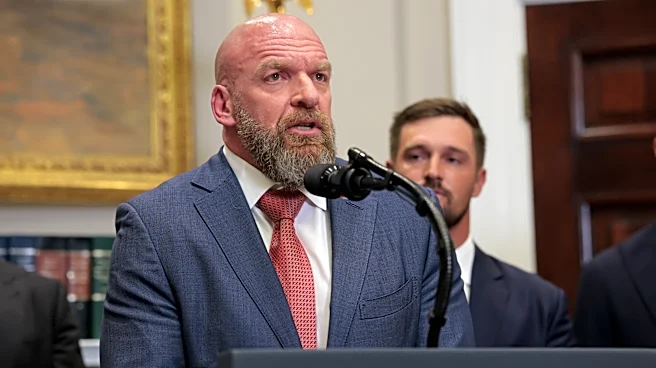
President Trump addressed NCAA Collegiate National Champions at the White House, urging Congress to pass legislation to regulate college sports. The event honored athletes from seven teams that won NCAA championships in 2025. Trump highlighted the financial
challenges faced by athletic departments due to athletes' ability to transfer freely and earn significant salaries. He recently signed an executive order to limit eligibility to five years, allow one transfer without penalty, and protect women's and Olympic sports. However, legal challenges are anticipated, prompting Trump and stakeholders to seek federal legislation for an antitrust exemption to enforce NCAA rules.
Why It's Important?
The call for legislative action on college sports reflects ongoing debates about athlete compensation and eligibility. The proposed changes could significantly impact college sports' financial landscape, affecting universities, athletes, and the NCAA. By seeking federal legislation, Trump aims to provide a stable framework for college sports, potentially influencing recruitment, athlete development, and financial planning for athletic programs. The outcome could reshape the balance between athlete rights and institutional control, with implications for the future of college athletics in the U.S.
What's Next?
The push for federal legislation will likely involve negotiations with Congress and stakeholders in college sports. Legal challenges to the executive order may arise, testing its viability. The NCAA and universities will need to adapt to potential changes in regulations, affecting recruitment strategies and financial planning. Stakeholders will monitor legislative developments closely, as the outcome could redefine the college sports landscape and athlete compensation models.