






What's Happening?
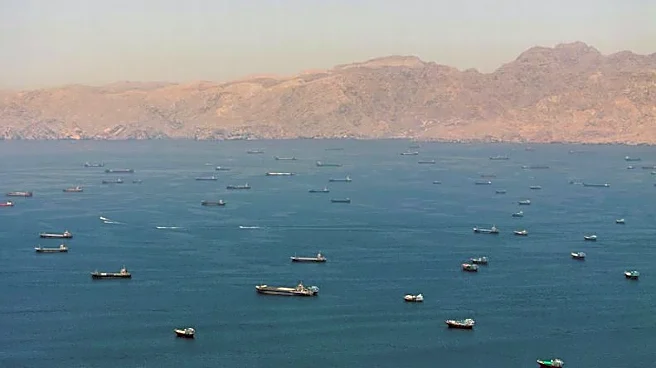
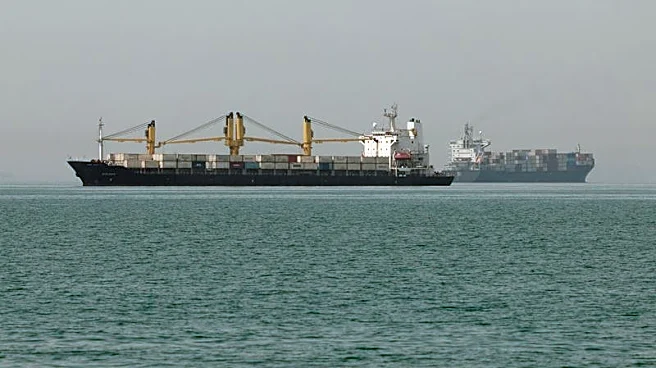
Exxon Mobil has issued a warning that global oil inventories are approaching dangerously low levels, which could lead to a significant spike in oil prices. The closure of the Strait of Hormuz due to the conflict in Iran has resulted in the largest oil supply
disruption in history, with over a billion barrels lost. The International Energy Agency (IEA) has reported that oil stockpiles are being depleted at a record pace, and the release of 400 million barrels by IEA members has only temporarily mitigated the impact. Exxon predicts that once inventories hit all-time lows, oil prices could surge to $150-$160 per barrel.
Why It's Important?
The potential depletion of global oil inventories poses a significant threat to economic stability, as rising oil prices could lead to increased costs for consumers and businesses. The situation underscores the vulnerability of global energy markets to geopolitical conflicts and the importance of strategic reserves in maintaining supply stability. A surge in oil prices could also impact inflation rates and economic growth, affecting industries reliant on oil and potentially leading to broader economic challenges. The warning from Exxon highlights the need for coordinated international efforts to address supply disruptions and stabilize markets.
What's Next?
The international community will likely intensify diplomatic efforts to resolve the conflict in Iran and reopen the Strait of Hormuz to stabilize oil supply. Oil-producing countries may need to adjust production levels to manage supply shortages and support global markets. The situation may also prompt a reevaluation of energy policies and strategies to enhance energy security and reduce dependence on vulnerable supply routes.