
What's Happening?
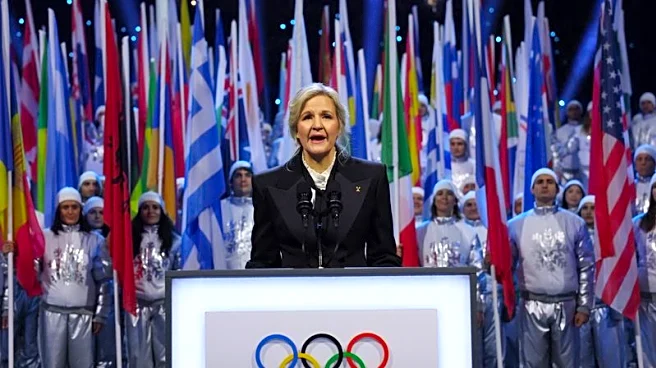
The International Olympic Committee (IOC) has expressed dissatisfaction with Indonesia after the country denied visas to Israeli gymnasts for the World Championships in October. The IOC has not received
the guarantees it requested from the Indonesian government following the incident. This denial was condemned by the IOC as a breach of the international charter, leading to the termination of discussions about Indonesia hosting future Olympic events. The IOC has advised against scheduling major international sports events in Indonesia. The Indonesian government cited safety concerns as the reason for denying the visas, despite Israeli security authorities having cleared the athletes for travel. The Israel Gymnastics Federation had completed all necessary preparations, including security protocols, before the denial.
Why It's Important?
This incident highlights the challenges of ensuring non-discrimination in international sports, as outlined by the Olympic Charter. The IOC's response underscores the importance of political neutrality and the right of athletes to compete without discrimination. The decision to deny visas based on nationality could have broader implications for Indonesia's ability to host international events, affecting its reputation and economic opportunities associated with such events. The situation also raises questions about the balance between national security concerns and international sports commitments.
What's Next?
The IOC's stance may lead to increased scrutiny of Indonesia's policies regarding international sports events. Other countries and sports organizations might reconsider Indonesia as a host for future competitions. The Indonesian government may need to address these concerns to restore its standing in the international sports community. Additionally, there could be diplomatic discussions between Israel and Indonesia to resolve the underlying issues and prevent similar incidents in the future.
Beyond the Headlines
This situation reflects broader geopolitical tensions and the intersection of sports and politics. It raises ethical questions about the role of sports in promoting peace and understanding across national and cultural divides. The incident could prompt a reevaluation of how international sports bodies enforce non-discrimination policies and manage political conflicts that impact athletes' participation.