



What's Happening?
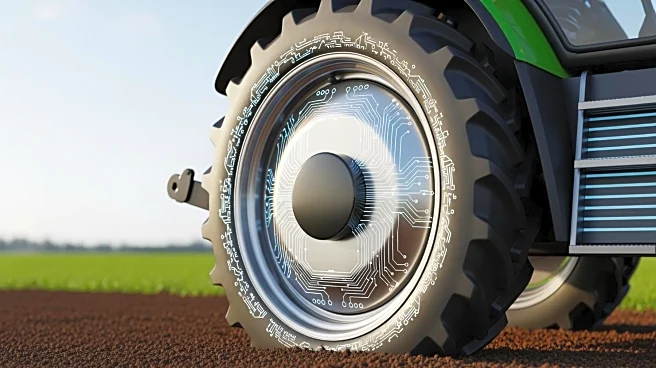
The Bureau of Indian Standards (BIS) has released a national testing standard for electric agricultural tractors, marking a significant step in the standardization of this emerging technology. The standard, known as IS 19262: 2025, was introduced by Union Minister for Consumer Affairs, Food & Public Distribution, Pralhad Joshi. It aims to ensure the safety, reliability, and performance of electric agricultural tractors through uniform testing protocols. This initiative is voluntary and seeks to promote the adoption of electric tractors, which offer a sustainable alternative to traditional diesel-powered models. The standard was developed in collaboration with various stakeholders, including the Ministry of Agriculture & Farmers’ Welfare, electric tractor manufacturers,
and research institutions.
Why It's Important?
The introduction of a standardized testing protocol for electric agricultural tractors is crucial for several reasons. It addresses the need for consistent assessment of these vehicles' performance and safety, which is essential for their wider adoption. Electric tractors are seen as a sustainable solution to reduce emissions and lower operating costs in agriculture, contributing to a healthier environment and improved working conditions for farmers. By establishing a common framework, the standard supports innovation in clean agricultural technologies and aligns domestic practices with international trends in electric mobility. This move could significantly impact the agricultural sector by encouraging the shift towards more environmentally friendly farming practices.
What's Next?
As the standard is currently voluntary, the next steps involve encouraging its adoption across the agricultural sector. This may involve further collaboration between government bodies, manufacturers, and farmers to promote the benefits of electric tractors. Additionally, the Ministry of Agriculture & Farmers’ Welfare and other stakeholders may work on creating incentives or support programs to facilitate the transition to electric tractors. Monitoring the implementation of the standard and gathering feedback from early adopters will be crucial in refining the protocols and ensuring they meet the needs of the industry.
Beyond the Headlines
The development of this standard highlights the growing importance of sustainability in agriculture. It reflects a broader shift towards reducing the carbon footprint of farming operations and improving environmental health. The collaboration between various stakeholders in creating this standard also underscores the importance of multi-sector partnerships in driving technological advancements. As electric tractors become more prevalent, there may be further implications for rural economies, including job creation in the manufacturing and maintenance of these vehicles.