
What's Happening?
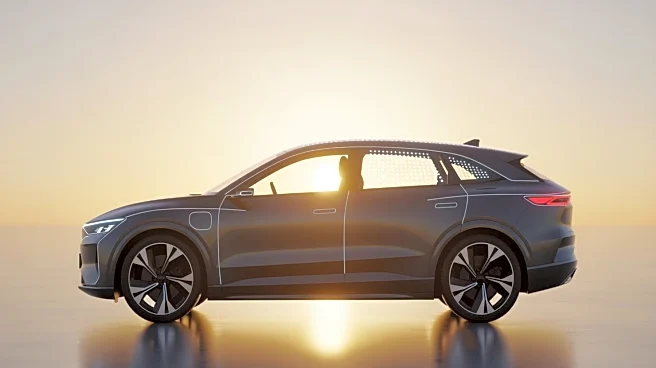
Nissan has introduced a new concept for an electric SUV that integrates solar panels to generate additional power, reducing reliance on traditional charging methods. This innovation, showcased through
the Ariya SUV, marks a significant step in sustainable automotive technology. The vehicle uses photovoltaic panels strategically placed on the hood, roof, and trunk lid to capture solar energy, which is then converted into electricity to power the car's systems or supplement the main battery. This development aligns with Nissan's ongoing commitment to electrification, following the success of the Nissan Leaf, and represents a potential shift in how electric vehicles are powered and perceived.
Why It's Important?
The introduction of a solar-powered electric SUV by Nissan could significantly impact the automotive industry by reducing the dependency on charging infrastructure, which is still developing in many regions. This innovation offers a practical solution to one of the major challenges faced by electric vehicle users: range anxiety. By generating its own power, the vehicle can potentially lower operating costs and increase convenience for users, especially in urban areas with limited charging stations. This move also underscores the growing trend towards integrating renewable energy sources in transportation, which could lead to broader acceptance and adoption of electric vehicles.
What's Next?
As Nissan continues to develop this technology, further testing and refinement are expected. The company is likely to explore partnerships with technology firms specializing in solar energy to enhance the efficiency and effectiveness of the solar panels. Additionally, the success of this concept could prompt other automakers to explore similar innovations, potentially leading to a new segment of self-sustaining electric vehicles. Regulatory bodies and policymakers might also take interest in supporting such technologies through incentives or infrastructure development to promote sustainable transportation solutions.
Beyond the Headlines
The integration of solar technology into electric vehicles not only represents a technological advancement but also a cultural shift towards more sustainable living. This development could influence consumer behavior, encouraging more environmentally conscious choices. Moreover, it highlights the potential for vehicles to become active participants in the energy ecosystem, contributing to energy generation rather than solely consuming it. This could lead to new business models and opportunities in the automotive and energy sectors, fostering innovation and collaboration across industries.