

What's Happening?
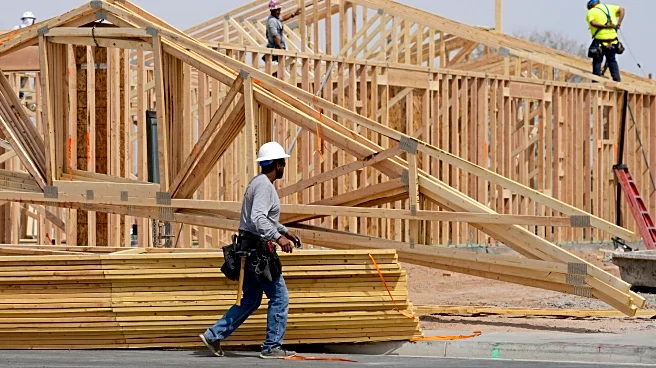
The number of Americans filing new applications for unemployment benefits fell slightly last week, indicating stable labor market conditions despite a recent decline in employment. Initial claims for state unemployment benefits dropped by 1,000 to a seasonally
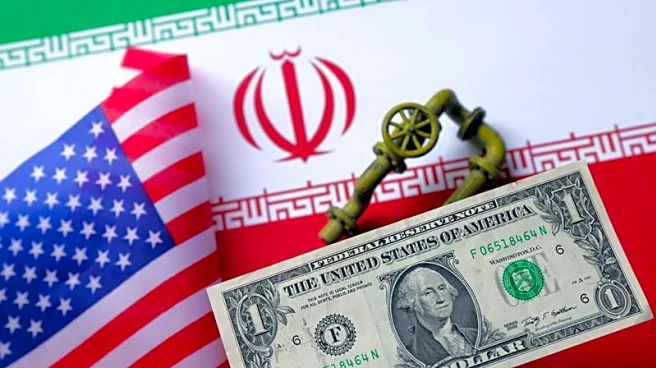
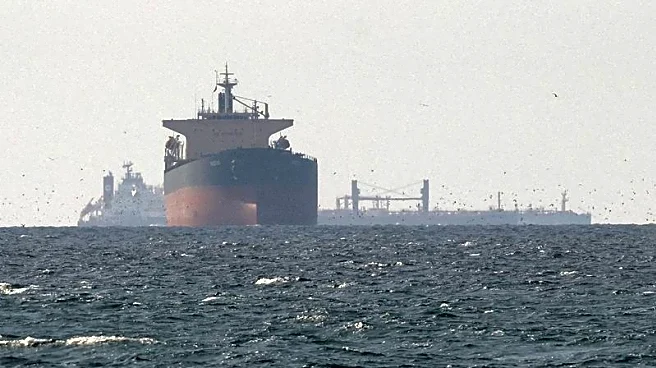
adjusted 213,000 for the week ending March 7. This decrease comes amid low layoffs and follows a significant drop in nonfarm payrolls in February, attributed to factors such as harsh winter weather and a healthcare workers' strike. The ongoing U.S.-Israeli conflict with Iran poses a potential risk to economic stability, with rising oil prices impacting inflation.
Why It's Important?
The decrease in jobless claims suggests resilience in the U.S. labor market, providing some reassurance amid economic uncertainties. However, the geopolitical conflict in the Middle East and its impact on oil prices could threaten this stability by increasing inflationary pressures. The Federal Reserve may use this data to justify maintaining current interest rates, balancing the need to support economic growth with the risks posed by external factors.
What's Next?
The Federal Reserve is expected to keep interest rates unchanged in the near term, monitoring the impact of geopolitical tensions and inflation on the economy. Businesses may continue to exercise caution in hiring, influenced by uncertainties related to tariffs and the integration of artificial intelligence. The labor market's response to these challenges will be critical in shaping future economic policies.