






What's Happening?
In Los Angeles, a resident named Julia Lee has transformed her traditional hillside lawn into a drought-tolerant garden filled with California native plants and wildflowers. This change was motivated by the high water bills and the unsuitability of maintaining
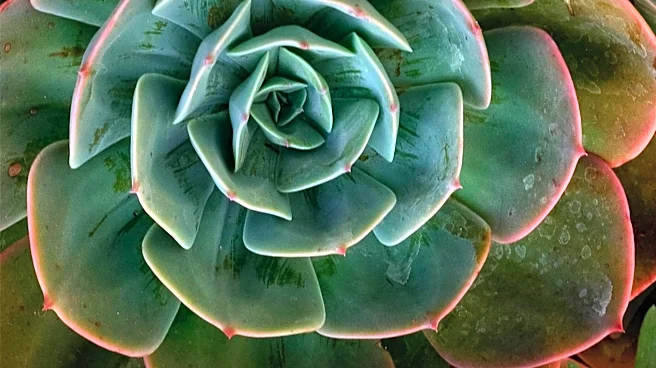
a water-intensive lawn amid California's ongoing drought conditions. Lee utilized city programs and rebates to assist in the conversion, including the LADWP Free Landscape Design Program and the Metropolitan Water District's turf replacement rebate. The garden now features a variety of native plants such as sages, poppies, and wildflowers, which not only reduce water usage but also attract local wildlife. The transformation has also fostered community engagement, as neighbors contribute plants and share gardening tips.
Why It's Important?
This shift towards drought-tolerant landscaping is significant as it reflects a growing trend in urban areas to adopt sustainable practices in response to climate change and water scarcity. By replacing traditional lawns with native plants, residents like Lee are contributing to water conservation efforts, which are crucial in drought-prone regions like California. This movement not only helps in reducing water bills but also supports local ecosystems by providing habitats for native wildlife. The initiative also highlights the role of community involvement and education in promoting environmental sustainability, as neighbors collaborate and learn from each other in the process.
What's Next?
As more residents become aware of the benefits of drought-tolerant landscaping, it is likely that similar transformations will occur across urban areas in California and beyond. This could lead to increased demand for native plants and related educational programs, as well as further development of city incentives and rebates to encourage sustainable gardening practices. Additionally, the success of such projects may inspire local governments to implement policies that support water conservation and environmental sustainability on a larger scale.
Beyond the Headlines
The transformation of traditional lawns into drought-tolerant gardens also raises questions about cultural perceptions of beauty and the environment. As more people embrace the 'wabi-sabi' aesthetic, which values imperfection and natural beauty, there may be a shift in how urban landscapes are designed and appreciated. This could lead to a broader acceptance of diverse and ecologically beneficial landscapes, challenging the conventional preference for manicured lawns. Furthermore, the project underscores the importance of individual actions in addressing environmental challenges, demonstrating that personal choices can have a significant impact on community and ecological health.