





What's Happening?
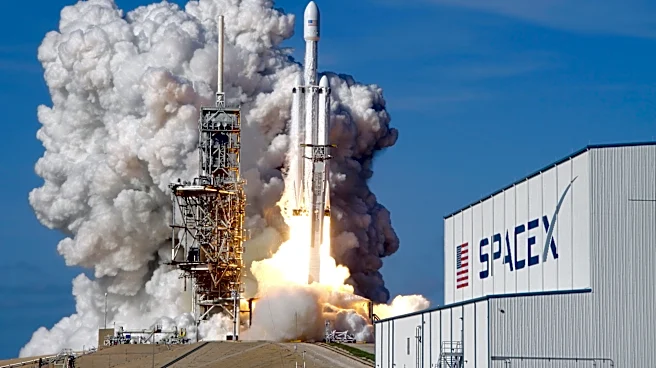
The S&P 500 has rejected SpaceX's request for expedited entry into the index, a decision that also affects AI companies like OpenAI and Anthropic. SpaceX sought accelerated access to the index to tap into billions of dollars from passive investment funds.
However, the S&P Dow Jones Indices, which manages the index, decided not to waive its rules for SpaceX, which remains unprofitable and has a significant debt load. The decision followed a month-long consultation considering changes to entry requirements for MegaCap companies. These proposed changes included reducing the seasoning period for IPOs and waiving profitability requirements, which would have benefited SpaceX and similar companies.
Why It's Important?
This decision underscores the S&P 500's commitment to maintaining its standards for index inclusion, which could impact how emerging tech companies approach their market strategies. By denying SpaceX and similar firms entry, the S&P 500 is signaling a cautious approach to including companies with high market capitalizations but uncertain profitability. This move may reassure investors concerned about the risks associated with speculative investments in AI and space technologies. It also highlights the challenges faced by tech companies in securing funding and managing debt while pursuing ambitious projects.
What's Next?
SpaceX and other tech companies may need to explore alternative funding strategies or adjust their business models to meet the S&P 500's requirements. The decision could prompt a broader discussion about the criteria for index inclusion and the role of passive investment funds in supporting emerging technologies. Stakeholders, including investors and policymakers, will likely continue to debate the balance between innovation and financial stability in the tech sector.