



What's Happening?
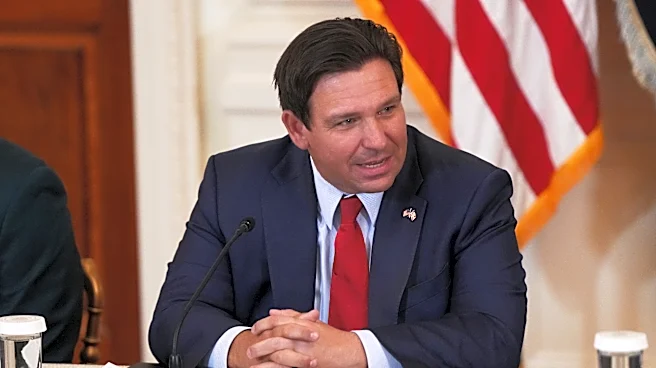
Six state attorneys general from Montana, Iowa, Kansas, Florida, North Dakota, and South Dakota have collectively urged the Surface Transportation Board (STB) to reject the merger application submitted by Union Pacific (UP) and Norfolk Southern (NS).
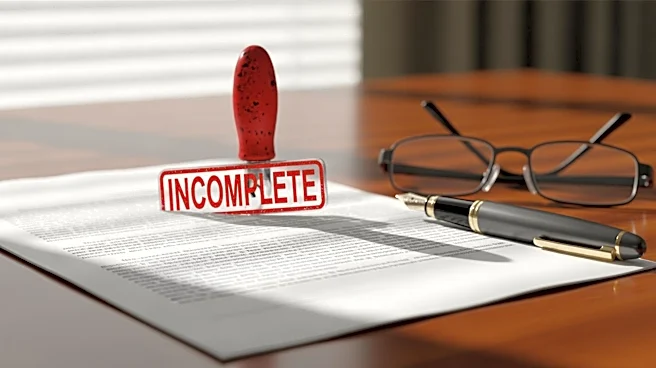
The proposed $85 billion merger is deemed incomplete by the attorneys general, who argue that the application lacks critical information and underdeveloped proposals, which contravene STB's merger rules. The letter to STB leadership highlights missing details on market shares, downstream consolidation, and control of jointly owned industry assets. The attorneys general express concerns that the merger could reduce competitive options for shippers, potentially increasing costs for businesses and consumers. They emphasize the need for a thorough review before the STB considers the application complete.
Why It's Important?
The proposed merger between UP and NS is significant as it could reshape the U.S. freight rail industry by consolidating nearly 50% of U.S. Class I freight rail traffic under a single entity. This consolidation raises concerns about reduced competition, which could lead to higher shipping costs and impact consumer prices. The merger's potential to control key industry assets and influence market dynamics is a critical issue for stakeholders, including competing railroads and shippers. The decision by the STB will have far-reaching implications for the rail industry, affecting market competition, operational efficiencies, and the broader supply chain.
What's Next?
The STB is expected to rule on the revised merger application by May 30. The outcome will depend on whether UP and NS can address the deficiencies identified by the STB and demonstrate that the merger will enhance competition and serve the public interest. Industry stakeholders, including competing railroads like CN and CPKC, have expressed opposition to the merger, citing concerns about market power and compliance with STB regulations. The decision will also be influenced by the broader political and economic context, including upcoming midterm elections, which could shift the conversation around the merger.