





What's Happening?
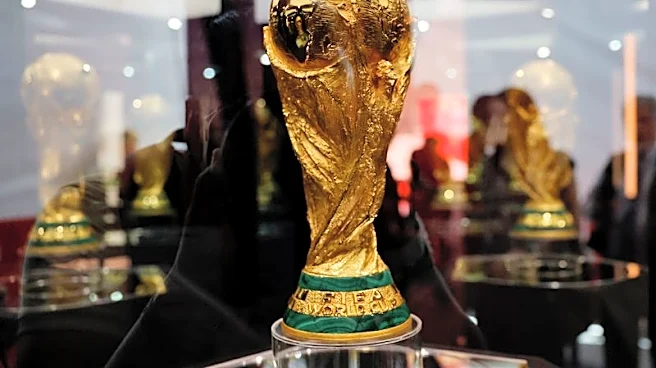
Iran's soccer federation has announced its intention to participate in the 2026 FIFA World Cup, which will be hosted by the United States, Canada, and Mexico. The federation has requested that all players and technical staff, particularly those who have
served in the Islamic Revolutionary Guard Corps, be granted visas without issues. This request comes amid a fragile ceasefire between Iran and the United States, following a conflict initiated by U.S. and Israeli attacks on Iran. The Iranian Football Federation President, Mehdi Taj, emphasized the need for guarantees regarding visas, security, and the respectful treatment of Iranian players and officials. The request is significant as it involves individuals who have completed mandatory military service in the Revolutionary Guard, which is designated as a terrorist organization by both the U.S. and Canada. This situation has already affected Taj, who was denied entry to Canada for a FIFA Congress due to his past ties with the Guard.
Why It's Important?
The request by Iran highlights the complex interplay between sports and international politics. Granting visas to members of the Revolutionary Guard could set a precedent for how countries with strained relations navigate international sporting events. The decision could impact diplomatic relations between the U.S., Canada, and Iran, potentially influencing future engagements beyond sports. For Iran, participation in the World Cup is not only a matter of national pride but also a platform to assert its cultural and political identity on the global stage. The outcome of this request could affect Iran's ability to field its strongest team, including key players like Mehdi Taremi, who have served in the Guard. The situation underscores the broader challenges of hosting international events in politically sensitive contexts.
What's Next?
The next steps involve negotiations between FIFA, the host countries, and Iran to address the visa and security concerns raised by the Iranian federation. The outcome will likely depend on diplomatic discussions and the willingness of the host nations to accommodate Iran's requests. FIFA's role will be crucial in mediating these discussions to ensure the participation of all qualified teams while maintaining the integrity and security of the tournament. The decision could also prompt reactions from other countries with similar concerns, potentially influencing future policies regarding international sports events.