




What's Happening?
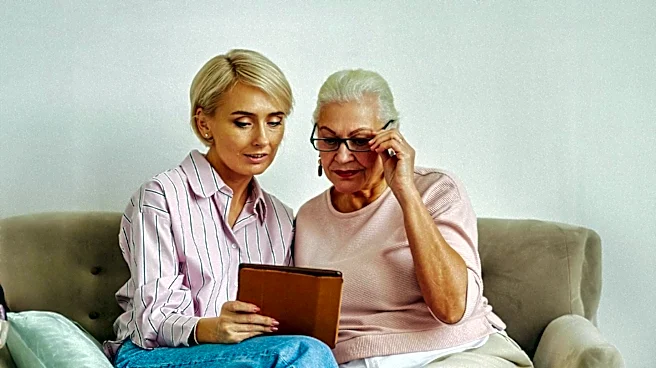
Pratik Desai, a startup founder, used AI platforms to create a tool that helped manage his mother's medical care as she battled cancer. This tool synthesized medical information and provided insights that assisted in her treatment. Desai is part of a growing
community of 'vibe coders' who use AI and no-code platforms to develop applications that address specific needs, such as managing dementia or preventing scams. These tools are often created by individuals with limited technical expertise, using natural-language prompts to generate code. While these solutions offer significant benefits, they also pose challenges, including potential security vulnerabilities and the need for ongoing maintenance.
Why It's Important?
The rise of vibe coding reflects a broader trend towards democratizing technology development, allowing individuals without formal coding skills to create impactful solutions. This movement is particularly significant in the context of caregiving, where personalized tools can greatly enhance the quality of life for aging individuals and their families. However, the reliance on AI-generated code also raises concerns about accuracy, security, and the potential for misuse. As more people turn to vibe coding, there is a growing need for education and resources to ensure these tools are used safely and effectively.
Beyond the Headlines
Vibe coding represents a shift in how technology is developed and utilized, emphasizing accessibility and customization. This approach could lead to more innovative solutions across various sectors, not just caregiving. However, it also highlights the importance of balancing innovation with caution, particularly when dealing with sensitive data and health-related applications. The trend may prompt discussions about the ethical implications of AI in personal and healthcare settings, as well as the need for regulatory frameworks to address potential risks.