



What's Happening?
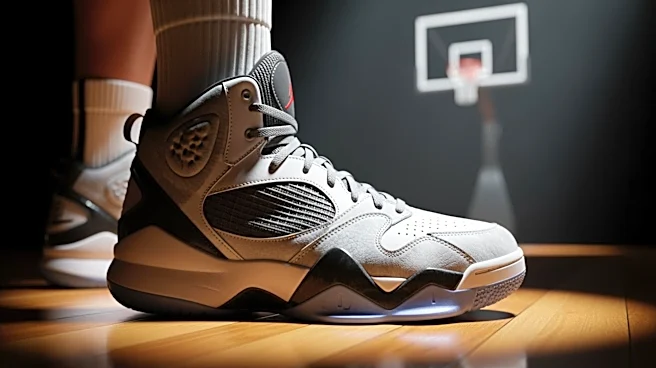
Jarrett Allen, center for the Cleveland Cavaliers, has maintained a unique relationship with his sneakers, specifically the Nike Kyrie 3 TB Black White, since entering the NBA in 2017. Allen's attachment to these shoes is rooted in comfort and personal
preference, making them a staple of his game attire alongside his afro and headband. Despite playing 620 career games, Allen has consistently worn these shoes, but now faces the challenge of finding new pairs as they become increasingly scarce. Allen's situation contrasts with other NBA players who frequently change sneakers, sometimes wearing up to 60 pairs in a season. This variance is influenced by factors such as player status, endorsement deals, and personal superstition. While some players, like Cade Cunningham and Josh Giddey, have access to numerous pairs through endorsement deals, Allen's search for his preferred sneakers highlights the personal and often sentimental relationship players have with their footwear.
Why It's Important?
The story of Jarrett Allen's sneaker preference underscores the broader cultural significance of sneakers in the NBA. Sneakers are not just functional sports equipment; they are integral to players' identities and can influence their performance and public image. For players like Allen, the right pair of shoes can provide comfort and confidence on the court, while for others, sneakers are a fashion statement or a symbol of status. The sneaker culture within the NBA also impacts the sportswear industry, driving demand for specific models and influencing design trends. As players like Allen struggle to find their preferred sneakers, it highlights the challenges of supply and demand in the sneaker market, particularly for less common sizes. This dynamic can affect consumer access to popular models and influence the strategies of major sportswear brands in terms of production and marketing.
What's Next?
As Jarrett Allen continues his search for the Nike Kyrie 3 TB Black White, it remains to be seen whether he will find new pairs or be forced to switch to a different model. This situation may prompt sportswear brands to consider re-releasing popular models or increasing production of larger sizes to meet demand from professional athletes. Additionally, Allen's story could inspire other players to share their own sneaker preferences and challenges, potentially influencing brand strategies and consumer trends. The ongoing relationship between NBA players and their sneakers will likely continue to evolve, with new endorsements, collaborations, and innovations shaping the future of sneaker culture in the league.
Beyond the Headlines
The personal attachment players have to their sneakers can reflect deeper cultural and emotional connections. For Jarrett Allen, the Nike Kyrie 3 TB Black White is more than just a shoe; it represents a consistent element of his professional identity and personal comfort. This attachment can be seen as a form of resistance to the fast-paced, ever-changing nature of sports fashion and consumer culture. Allen's story also highlights the potential for sneakers to serve as a form of self-expression and individuality within the highly commercialized environment of professional sports. As players navigate their relationships with sneakers, they may also confront broader questions about consumerism, sustainability, and the impact of fashion on personal and professional identity.