


What's Happening?
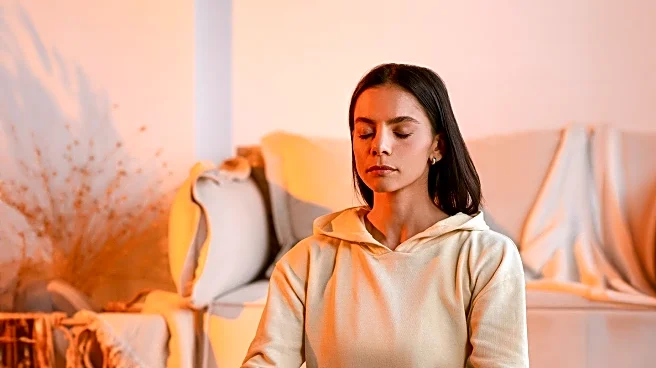
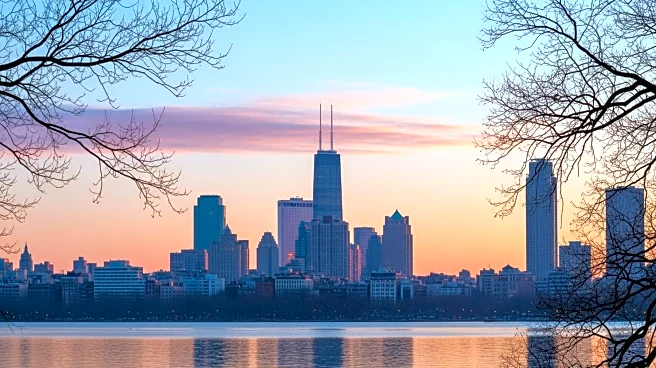
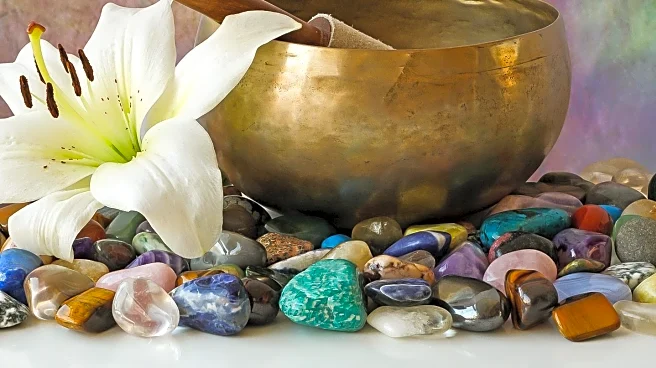
Sound healing experiences are becoming increasingly popular in Chicago, with sessions held in various venues from yoga studios to the Ravinia Festival. Practitioners like Cherish Hicks and Davin Youngs offer sound meditations using instruments such as singing
bowls and gongs to guide participants into therapeutic states. These sessions provide a space for relaxation and mental well-being, attracting diverse audiences seeking alternative healing methods. The practice has gained traction as people look for ways to manage stress and connect with others in a post-pandemic world. Sound healing is seen as both an artistic and therapeutic practice.
Why It's Important?
The rise of sound healing in Chicago reflects a broader cultural shift towards holistic wellness and alternative therapies. As people seek ways to cope with stress and mental health challenges, sound healing offers a non-invasive, accessible option. The practice's popularity highlights the growing demand for wellness experiences that combine art and healing. It also underscores the importance of community and connection in mental health practices. As sound healing becomes more mainstream, it may influence the wellness industry, encouraging the integration of artistic elements into therapeutic settings and expanding the range of available mental health resources.
What's Next?
As sound healing continues to gain popularity, practitioners may expand their offerings and collaborate with healthcare providers to integrate sound therapy into traditional mental health treatments. The practice could see increased adoption in clinical settings, such as hospitals and mental health clinics, as part of a holistic approach to patient care. Sound healing events may also become more common in public spaces, reaching wider audiences. As the practice evolves, it may inspire further research into its benefits and applications, potentially leading to new insights into the relationship between sound, art, and healing.
Beyond the Headlines
Sound healing's popularity highlights the intersection of art and wellness, emphasizing the therapeutic potential of creative practices. It raises questions about the role of alternative therapies in mainstream healthcare and the value of non-traditional approaches to mental health. The practice also reflects broader societal trends towards mindfulness and self-care, as individuals seek ways to navigate the complexities of modern life. As sound healing becomes more widespread, it may challenge conventional notions of therapy and wellness, encouraging a more inclusive and diverse understanding of healing practices.