






What's Happening?
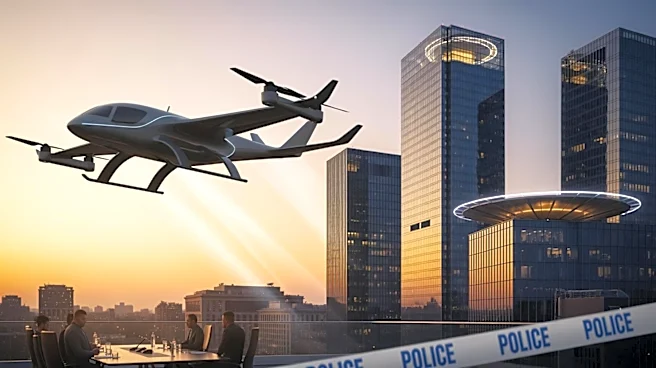
Skyports Infrastructure, in collaboration with Joby Aviation, has successfully completed New York City's first point-to-point electric vertical take-off and landing (eVTOL) flights to Downtown Skyport. This event was part of Joby Aviation's '2026 Electric
Skies Tour' and took place from April 23 to May 1, 2026. The Downtown Skyport, located in Manhattan, served as the central hub for these operations, handling aircraft operations and charging. The flights connected key locations such as John F. Kennedy International Airport (JFK), Downtown Skyport, and other heliports in Manhattan, demonstrating the potential for rapid urban air mobility. The initiative also included a demonstration event attended by government and local stakeholders, showcasing the aircraft's vertical take-off and landing capabilities and its quiet noise profile. This development is a significant step towards making Downtown Skyport a hybrid facility for both eVTOLs and helicopters, with plans for permanent rapid charging infrastructure by 2027.
Why It's Important?
The successful completion of these eVTOL flights represents a significant advancement in urban air mobility, potentially transforming how people travel within cities like New York. By reducing travel time between key locations such as JFK and Manhattan to under 10 minutes, this technology could alleviate congestion and provide a faster, more efficient mode of transportation. The initiative aligns with the White House-backed eIPP initiative, highlighting the federal support for advanced air mobility solutions. The integration of eVTOLs into urban transport networks could lead to reduced emissions and noise pollution, contributing to more sustainable urban environments. This development also positions New York as a leader in adopting cutting-edge transportation technologies, potentially influencing other cities to follow suit.
What's Next?
Skyports is in advanced planning stages to install permanent rapid charging facilities at Downtown Skyport, expected to be operational by 2027. This infrastructure will enable continuous commercial eVTOL operations, further integrating this mode of transport into New York's urban landscape. As the facility becomes Advanced Air Mobility (AAM) ready, it will likely attract more stakeholders and investments, accelerating the adoption of eVTOL technology. The success of this initiative may prompt regulatory bodies to develop frameworks to support the expansion of urban air mobility, addressing safety, airspace management, and environmental impact. Additionally, public acceptance and demand for such services will play a crucial role in shaping the future of urban air travel.