






What's Happening?
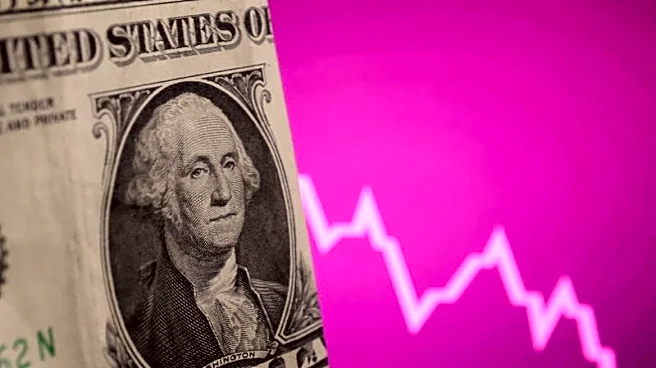
The yield on the US 30-year Treasury bond has surged to 5.20%, the highest level since the 2007 global financial crisis. This increase is part of a broader selloff in bond markets globally, driven by investor concerns over rising inflation and potential
interest rate hikes by central banks. The selloff has also affected US equity markets. The rise in yields is attributed to increased energy prices due to the Iran war, which has heightened inflation fears. Investors are now anticipating that the Federal Reserve may raise interest rates sooner than expected, contributing to the volatility in the bond market.
Why It's Important?
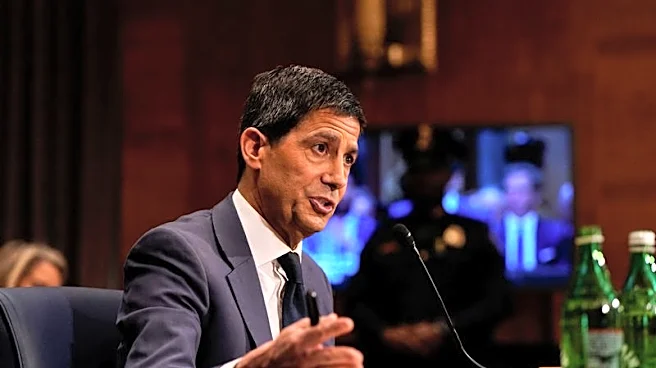
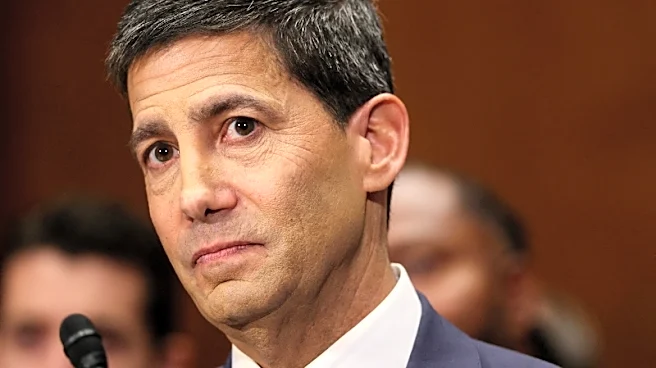
The increase in long-term Treasury yields has significant implications for the US economy. Higher yields can lead to increased borrowing costs for consumers and businesses, potentially slowing economic growth. The situation reflects broader economic uncertainties, including inflationary pressures and fiscal deficits, which are influencing investor behavior. The Federal Reserve's response to these developments will be closely watched, as it could impact monetary policy and economic stability. The shift in market sentiment also highlights the challenges faced by incoming Federal Reserve Chair Kevin Warsh in navigating these complex economic dynamics.
What's Next?
Market participants will be closely monitoring the Federal Reserve's policy decisions, particularly any indications of interest rate hikes. The bond market's reaction to these developments will be critical in shaping future economic conditions. Additionally, the ongoing geopolitical tensions and their impact on energy prices will continue to influence inflation expectations and investor sentiment. The Federal Reserve's ability to manage these challenges will be crucial in maintaining economic stability.