







What's Happening?
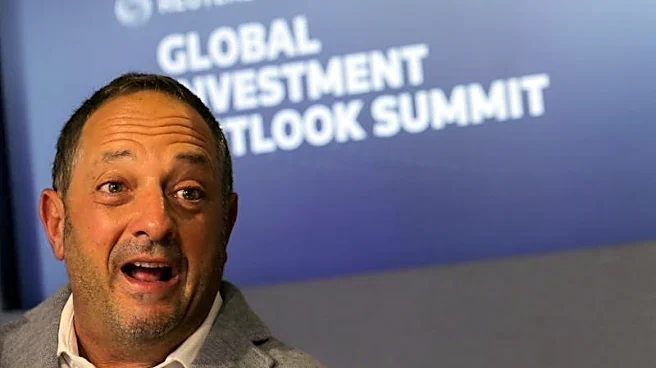
Andrew Left, the founder of Citron Research, has been found guilty on 13 out of 17 counts of securities fraud. The charges stem from his use of social media to influence stock prices for personal gain, earning over $20 million from 2018 to 2023. Left's
case, tried in Los Angeles, has been closely watched due to its implications for the short-selling industry. Prosecutors argued that Left's rapid trading following negative public statements about companies constituted illegal market manipulation. The case has sparked debate over the legality and ethics of short-selling practices, particularly the speed at which traders can act on their public statements.
Why It's Important?
The conviction of Andrew Left is significant as it sets a precedent for how short sellers operate in the financial markets. This case could lead to increased scrutiny and regulation of short-selling practices, potentially deterring traders from publishing negative research or acting quickly on their trades. The verdict may also embolden corporate executives who have long criticized short sellers for negatively impacting stock prices. The outcome of this case could influence future legal actions against short sellers and alter the dynamics of market trading strategies.
What's Next?
Andrew Left faces a sentencing hearing on August 31, where he could receive a prison sentence of over two decades, although actual time served may be less. The case is likely to be appealed, as Left has expressed his intention to challenge the verdict. The broader short-selling community may respond by adopting more cautious trading practices and enhancing legal disclaimers to avoid similar legal challenges. Regulatory bodies might also consider revising guidelines to clarify the boundaries of legal short-selling activities.
Beyond the Headlines
This case highlights the tension between free speech and market manipulation in the context of financial trading. It raises questions about the ethical responsibilities of traders who influence market perceptions through public statements. The legal outcome could lead to a reevaluation of how social media is used in financial markets, potentially prompting new regulations to balance transparency with market integrity.