






What's Happening?
The Duke Blue Devils basketball team has unveiled its non-conference schedule for the 2026 season, featuring a series of high-profile matchups. The schedule includes games against several top-tier teams, such as Michigan State, Illinois, UConn, and Florida,
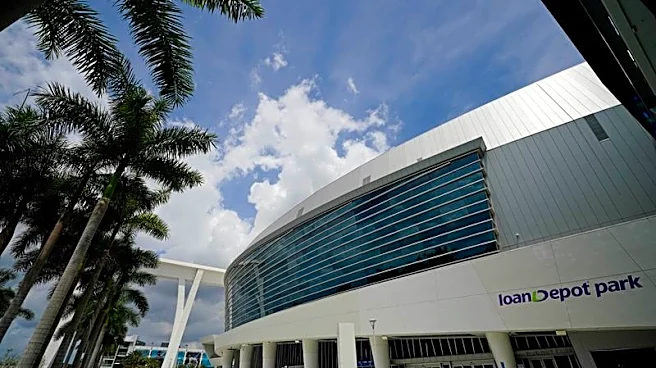
as part of the ACC/SEC Challenge. Notably, Duke will face reigning national champion Michigan at loanDepot Park, a change from the originally planned Madison Square Garden due to a media rights dispute. The Blue Devils will also participate in the Jimmy V Classic against Georgia at Madison Square Garden. This schedule is part of Duke's strategy to maintain its reputation as a leading program in college basketball, following a successful previous season where they boasted the best overall resume.
Why It's Important?
Duke's ambitious non-conference schedule is significant as it positions the team to build a strong case for a high seed in the NCAA Tournament. By facing multiple top-ranked teams, Duke aims to enhance its competitive edge and prepare for the rigors of conference play. The schedule also reflects a broader trend in college basketball, where top programs seek challenging early-season matchups to boost their tournament resumes. This approach not only benefits the team but also enhances the sport's appeal by offering fans exciting games early in the season. Additionally, the inclusion of games broadcast exclusively by Amazon highlights the evolving landscape of sports media rights.
What's Next?
As the season approaches, Duke will continue to finalize its non-conference schedule, potentially adding more high-profile games. The team's performance in these early matchups will be closely watched, as it could influence their seeding and momentum heading into conference play. Fans and analysts will be particularly interested in how Duke handles the challenges posed by their formidable opponents, which could set the tone for the rest of their season. The outcomes of these games may also impact recruiting efforts, as prospective players often consider a program's strength of schedule and national exposure.